

Why Communication Matters in Relationships Effective communication is the heartbeat of any healthy relationship. If you and your partner are navigating the demands of work, family, and daily life in Fort Lauderdale, you know how quickly misunderstandings can arise. When communication falters, even small issues can escalate, leading to frustration and distance. Whether you’re newlyweds or have spent years together, strengthening your communication skills can bring renewed closeness and understanding. Many couples search for communication tips for couples or consider relationship counseling near me when they notice recurring conflicts or emotional disconnects. The good news is that you can take practical steps—right from your own living room—to foster more meaningful conversations and resolve conflicts with empathy and clarity. If you’re exploring therapy for couples Fort Lauderdale , these strategies can complement professional support and help you build a stronger partnership every day. Common Communication Challenges Couples Face Every couple encounters communication hurdles, but recognizing them is the first step to overcoming them. You might notice these familiar scenarios: Misinterpreting your partner’s intentions or tone Feeling unheard or dismissed during disagreements Withdrawing emotionally to avoid conflict Struggling to express needs without blaming or criticizing Letting busy schedules crowd out meaningful conversations These challenges aren’t signs of failure—they’re opportunities for growth. By addressing them head-on, you can create a safe space where each of you feels valued and respected. Active Listening: The Foundation of Connection One of the most effective communication tips for couples is to practice active listening. This means giving your full attention to your partner, setting aside distractions, and showing genuine interest in their perspective. Instead of preparing your response while your partner speaks, focus on understanding their message—both the words and the emotions behind them. Maintain eye contact: This shows you’re present and engaged. Use nonverbal cues: Nods, gentle touches, and open body language help convey empathy. Reflect back: Summarize what you’ve heard (“It sounds like you’re feeling...”) to confirm understanding. Ask clarifying questions: If something isn’t clear, invite your partner to elaborate. Active listening builds trust and reduces defensiveness, making it easier for both of you to share honestly—even about difficult topics. Expressing Yourself Clearly and Respectfully When emotions run high, it’s easy to fall into patterns of criticism or defensiveness. Instead, aim for clear and respectful self-expression. Share your feelings and needs without assigning blame. For example, try using “I” statements: “I feel overwhelmed when we don’t plan our weekends together,” rather than “You never make plans.” Be specific: Describe the situation and its impact on you. Avoid generalizations: Words like “always” or “never” can make your partner feel attacked. Speak from your experience: Focus on your emotions and needs rather than your partner’s shortcomings. This approach creates space for open dialogue and encourages your partner to respond thoughtfully, rather than defensively. Managing Conflict Constructively Disagreements are inevitable, but how you handle them can either strengthen or strain your relationship. Instead of avoiding conflict or letting anger take over, approach disagreements as opportunities to understand each other better. Couples who seek therapy for couples Fort Lauderdale often learn that healthy conflict resolution is a skill that can be developed with practice. Pause before reacting: If emotions are running high, take a break to cool down before continuing the conversation. Stay focused on the issue: Avoid bringing up past grievances or unrelated topics. Use “we” language: Frame challenges as shared problems you’ll solve together. Agree to disagree: Not every disagreement needs a perfect resolution—sometimes, mutual respect is enough. Constructive conflict management helps you both feel safe expressing your views, even when you don’t see eye to eye. Building Rituals of Connection In the midst of busy schedules, it’s easy for meaningful conversations to take a back seat. Establishing small daily or weekly rituals can help you and your partner reconnect and keep communication flowing. Consider these ideas: Daily check-ins: Set aside ten minutes each evening to share how your day went, your highs and lows, and anything on your mind. Screen-free dinners: Make mealtimes a device-free zone to encourage undistracted conversation. Weekend walks: Take a stroll together to talk about your goals, dreams, or even lighthearted topics. These rituals create consistent opportunities for open dialogue, helping you stay emotionally connected even when life gets hectic. Using Technology to Enhance Communication Modern life in Fort Lauderdale often means juggling work, family, and personal commitments. Fortunately, technology can be your ally in staying connected. If you’re considering relationship counseling near me or want to supplement your efforts at home, there are digital tools that can support your journey. Shared calendars: Coordinate schedules and plan quality time together. Messaging apps: Send thoughtful notes or check-ins throughout the day. Video calls: Stay connected during travel or busy work weeks. Online therapy platforms: Access therapy for couples Fort Lauderdale from the comfort of your home, making support more convenient and accessible. By leveraging technology, you can bridge gaps in communication and maintain a sense of partnership, even when life pulls you in different directions. Recognizing When to Seek Professional Support Sometimes, even with the best intentions, communication challenges persist. If you find yourselves stuck in repetitive arguments, feeling emotionally distant, or struggling to resolve conflicts on your own, seeking professional support can make a significant difference. Many couples in Fort Lauderdale search for relationship counseling near me when they recognize the value of an objective, experienced perspective. Persistent misunderstandings or hurt feelings Difficulty discussing sensitive topics without escalation Loss of emotional intimacy or connection Desire to strengthen your relationship proactively Professional therapy for couples Fort Lauderdale offers a confidential space to practice new skills, gain insight into your communication patterns, and work through challenges together. Practical Communication Exercises for Couples Integrating specific exercises into your routine can help reinforce positive communication habits. These activities are often recommended by relationship counselors and can be practiced at home or with guidance from a therapist. “ Speaker-Listener” technique: Take turns sharing your thoughts while your partner listens without interrupting, then switch roles. This ensures both voices are heard. Gratitude sharing: Regularly express appreciation for each other’s efforts, both big and small. This fosters positivity and reduces resentment. Weekly “relationship meetings”: Set aside time each week to discuss what’s working, what’s challenging, and how you can support each other moving forward. Nonverbal communication games: Practice conveying emotions or messages without words to build empathy and understanding. These exercises can help you break out of old patterns and create new, healthier ways of connecting. Overcoming Communication Barriers Unique to Busy Couples If you and your partner are balancing demanding careers, parenting, and social obligations, communication can easily become fragmented or transactional. In Fort Lauderdale’s fast-paced environment, it’s common to find that meaningful conversations are replaced by quick logistical check-ins or brief exchanges. Recognizing these barriers is the first step to developing strategies that keep your relationship strong even when time is limited. Time scarcity: When schedules are packed, you might default to surface-level communication, missing opportunities for deeper connection. Digital distractions: Devices and notifications can interrupt moments of intimacy or lead to misunderstandings when communication happens via text instead of face-to-face. Emotional fatigue: After a long day, it’s tempting to withdraw or avoid difficult conversations to preserve energy, but this can build emotional distance over time. To address these barriers, intentionally carve out small windows for undistracted conversation, even if it’s just a few minutes before bed or during a shared morning coffee. Consider setting boundaries around device use during couple time, and check in with each other about emotional needs regularly, not just when conflict arises. How Relationship Counseling Near You Can Enhance Communication Skills Searching for relationship counseling near me is a proactive way to strengthen your partnership, especially if you notice recurring communication struggles. Professional counselors in Fort Lauderdale bring expertise in guiding couples through communication exercises, helping you identify patterns that may be holding you back. Through therapy, you can learn new ways to express yourself, listen deeply, and resolve disagreements in a supportive environment. Personalized feedback: A therapist observes your unique dynamic and offers tailored strategies to improve communication. Safe space: Therapy provides a confidential setting to discuss sensitive topics that may feel too charged to address at home. Skill-building: You’ll practice proven techniques, such as nonviolent communication and emotional validation, with professional guidance. Accountability: Regular sessions encourage consistency and help you track progress over time. Couples who engage in therapy for couples Fort Lauderdale often report increased empathy, better conflict management, and a renewed sense of partnership. Even if you’re not experiencing crisis-level issues, counseling can be a valuable resource for deepening your connection and preventing future misunderstandings. Communication Tips for Couples During Stressful Times Periods of heightened stress—such as career changes, family transitions, or health concerns—can test your communication skills. During these times, it’s crucial to be especially mindful of how you interact with your partner. Small adjustments can make a big difference in maintaining closeness and reducing tension. Prioritize empathy: Recognize that stress may impact your partner’s mood or responses. Approach conversations with patience and compassion. Check in frequently: Short, regular check-ins help you stay attuned to each other’s needs and prevent misunderstandings from festering. Use humor: Lighthearted moments can diffuse tension and remind you both of your shared bond, even during difficult periods. Agree on ground rules: Decide together how you’ll handle disagreements during stressful times—perhaps by taking breaks or using a code word to pause heated discussions. Adapting your communication approach when life gets challenging shows your partner that you’re committed to weathering storms together. If you find these periods particularly difficult to navigate, relationship counseling near me can offer additional support and strategies. Strengthening Emotional Intimacy Through Communication Emotional intimacy is built on openness, vulnerability, and mutual understanding. While practical communication tips for couples are important, nurturing emotional connection requires a willingness to share your inner world and invite your partner to do the same. This level of closeness can be cultivated through intentional practices and ongoing dialogue. Share dreams and fears: Set aside time to talk about your hopes, worries, and aspirations—beyond daily logistics. Practice emotional validation: Acknowledge your partner’s feelings, even if you don’t fully agree. Phrases like “I understand why you feel that way” can go a long way. Offer reassurance: Express appreciation, affection, and support regularly, especially when your partner is vulnerable. Ask open-ended questions: Encourage deeper conversations by asking questions that invite more than yes/no answers, such as “What was the best part of your day?” Building emotional intimacy is an ongoing process, but it pays dividends in resilience, trust, and satisfaction within your relationship. If you find it challenging to open up or connect on this level, therapy for couples Fort Lauderdale can help you both develop the confidence and skills to share more authentically. Repairing Communication After Conflict No relationship is immune to misunderstandings or disagreements, but what you do after conflict matters just as much as what happens during. Repairing communication involves acknowledging hurt feelings, taking responsibility for your role, and working together to restore trust and harmony. Offer sincere apologies: Take ownership of your actions or words without minimizing your partner’s experience. Debrief together: Once emotions have cooled, discuss what happened and how you might handle similar situations differently in the future. Reaffirm your commitment: Remind your partner that you’re on the same team, even when you disagree. Seek outside help if needed: If certain issues keep resurfacing, consider reaching out for relationship counseling near me to break the cycle. Learning to repair after conflict not only strengthens your bond but also creates a sense of safety, knowing that challenges can be addressed and resolved together. Fostering Openness and Honesty in Communication Honesty is a cornerstone of effective communication, but it can feel risky to be fully transparent—especially about sensitive or vulnerable topics. Creating an environment where both of you feel safe to speak openly is essential for long-term satisfaction and growth. Model openness: S hare your thoughts and feelings honestly, even when it feels uncomfortable. Respond nonjudgmentally: When your partner opens up, listen without criticism or immediate problem-solving. Set communication agreements: Decide together how you’ll handle honesty—such as agreeing to listen fully before responding or taking breaks if conversations get too intense. Celebrate vulnerability: Acknowledge and appreciate each other’s courage to be open, reinforcing that honesty is valued in your relationship. Over time, these practices build a foundation of trust and authenticity, making it easier to navigate challenges and celebrate successes together. If you’re unsure where to start, therapy for couples Fort Lauderdale can offer guidance and a supportive space for honest conversations. Integrating Communication Tips for Couples Into Daily Life The most effective communication strategies are those you practice regularly, not just during conflicts or therapy sessions. Integrating these habits into your daily routines ensures that your relationship remains strong and resilient, no matter what life brings. Schedule regular check-ins: Even a few minutes each day dedicated to meaningful conversation can make a significant difference. Establish rituals of connection: Morning coffee, evening walks, or weekly date nights can become anchors for communication. Practice gratitude: Regularly express appreciation for your partner’s efforts and qualities, reinforcing positive communication patterns. Reflect on progress: Periodically discuss how your communication has improved and identify areas for continued growth. Consistency is key. Small, intentional actions add up over time, creating a culture of open, respectful, and loving communication within your relationship. When Communication Tips Aren’t Enough: Signs to Seek Therapy for Couples in Fort Lauderdale There are times when even the best communication tips for couples may not resolve deeper issues. Recognizing when to seek professional support is a sign of strength and commitment to your relationship’s well-being. Certain signs suggest that reaching out for therapy for couples Fort Lauderdale could be highly beneficial: Recurring arguments that never seem to resolve Persistent feelings of loneliness or emotional distance Difficulty rebuilding trust after a breach or betrayal Challenges related to major life transitions, such as parenting, relocation, or loss Communication breakdowns that impact daily functioning or happiness Professional counseling provides a structured, supportive environment to address these challenges, helping you and your partner reconnect and move forward with greater understanding and compassion. Exploring Relationship Counseling Options Near You Fort Lauderdale offers a range of resources for couples seeking to improve communication and relationship satisfaction. When searching for relationship counseling near me , consider the following factors to find the right fit for your needs: Credentials and experience: Look for therapists who specialize in couples therapy and have relevant training in communication strategies and conflict resolution. Telehealth availability: With busy schedules, online sessions can offer flexibility and convenience, allowing you to access therapy for couples Fort Lauderdale without leaving home. Approach and philosophy: Every counselor has a unique style—some may focus on evidence-based techniques, while others emphasize emotional healing or solution-focused methods. Comfort and rapport: Choose a therapist with whom both you and your partner feel comfortable, as trust is essential for progress. Exploring these options together can help you make an informed decision and ensure that your journey toward better communication is supported every step of the way. Maintaining Growth Through Ongoing Communication Practice Lasting relationship satisfaction isn’t achieved through a single conversation or counseling session. It’s the result of ongoing practice, reflection, and adaptation. As you continue to apply communication tips for couples, remember that growth is a continuous process. Celebrate your successes, learn from setbacks, and remain open to evolving together as life changes. Revisit communication goals: Periodically assess what’s working and where you can improve, adjusting your strategies as needed. S tay curious: Ask questions, explore new ways to connect, and remain interested in your partner’s evolving needs and experiences. Seek support as needed: Don’t hesitate to reach out for relationship counseling near me if you encounter new challenges or want to deepen your skills. Encourage each other: Support your partner’s efforts to communicate openly, and acknowledge the progress you make together. By embracing a mindset of lifelong learning and partnership, you lay the groundwork for a relationship that thrives on mutual respect, understanding, and love. Adapting Communication Tips for Couples to Different Stages of Your Relationship Every relationship evolves, and your approach to communication should evolve alongside it. Early in your partnership, you may focus on discovering each other’s values, preferences, and boundaries. As your relationship matures—perhaps through marriage, parenting, or career changes—your conversations may shift toward managing responsibilities, resolving complex issues, and supporting each other’s growth. Recognizing these different stages allows you to adjust your communication style, ensuring both of you feel seen and understood no matter where you are on your journey together. Early stage: Prioritize curiosity and openness, asking questions to deepen your understanding of each other’s backgrounds and dreams. Transition periods: Discuss expectations and fears openly when facing milestones such as moving in together, having children, or changing jobs. Long-term partnerships: Revisit important topics periodically, acknowledging that needs and desires may shift over time. By staying attuned to these shifts, you keep your partnership dynamic and resilient. If you ever feel stuck or unsure how to navigate a new phase, seeking relationship counseling near me can provide fresh perspective and support. Communication Tips for Couples Coping with Grief or Major Life Changes Significant life events—such as the loss of a loved one, health challenges, or other transitions—can profoundly impact how you relate to your partner. During these times, communication often becomes both more challenging and more essential. You may find that emotions are heightened, misunderstandings are more frequent, or one or both of you withdraws to cope. Share your experiences: Even if your reactions to grief or change are different, talking about your feelings can reduce isolation and foster empathy. Respect differences: Recognize that each person processes loss or change in their own way; avoid judging or rushing your partner’s process. Offer reassurance: Simple affirmations such as “I’m here for you” or “We’ll get through this together” can be deeply comforting. Seek outside support: If conversations become too overwhelming, engaging in therapy for couples Fort Lauderdale can help you process together in a safe, guided environment. Staying connected through open dialogue during difficult times can help you both heal and emerge with a stronger, more compassionate bond. Leveraging Relationship Counseling Near Me for Preventive Growth Many couples wait until issues become urgent before seeking help, but proactive counseling can be just as valuable for those who want to maintain a thriving connection. In Fort Lauderdale, you have access to professionals who specialize in strengthening communication before conflicts escalate. By engaging in counseling during periods of relative calm, you can build skills, anticipate challenges, and reinforce positive patterns that keep your relationship healthy. Develop shared goals: Work with a counselor to identify what you both want from your partnership and how you can support each other’s aspirations. Practice new techniques: Learn and rehearse communication strategies in a supportive setting, so you’re prepared when stress arises. Identify blind spots: Counselors can help you uncover patterns or habits that may undermine your connection, even if they seem minor. Celebrate successes: Acknowledging progress in therapy reinforces positive changes and motivates continued growth. Pursuing relationship counseling near me for preventive reasons demonstrates a commitment to long-term happiness and resilience, ensuring small issues are addressed before they become major obstacles. Integrating Communication Tips Into Family Life For couples who are parents or caregivers, communication isn’t just about your partnership—it also shapes the environment for your children. Modeling healthy communication teaches your kids valuable skills they’ll carry into their own relationships. When you address conflicts respectfully, express emotions constructively, and listen with empathy, you set a powerful example. Maintain couple time: Prioritize regular moments to connect as partners, not just co-parents, to keep your relationship strong. Discuss parenting approaches: Talk openly about values, discipline, and family routines to ensure consistency and reduce misunderstandings. Involve children in positive communication: Practice family meetings or gratitude rituals to foster openness and cooperation. Seek guidance as needed: If parenting stress impacts your connection, therapy for couples Fort Lauderdale can offer tools for navigating family dynamics together. Bringing intentional communication into your family life creates a supportive, loving atmosphere for everyone in your household. Addressing Communication Challenges Unique to Modern Couples Today’s couples face unique pressures, from demanding work schedules to constant digital connectivity. While technology can help you stay in touch, it can also create barriers to deep, meaningful conversations. It’s important to consciously manage these influences to protect and nurture your relationship. Set digital boundaries: Agree on screen-free times or zones in your home to encourage face-to-face interaction. Use technology intentionally: Send supportive messages or use shared apps to coordinate plans, but don’t let digital communication replace real connection. Balance work and home: Communicate openly about work stress and support each other in finding time for relaxation and fun together. Check in about needs: Regularly ask each other what’s working and what could be improved in your daily routines and communication habits. With intentional effort, you can harness the benefits of modern life while preserving the intimacy and understanding that make your relationship fulfilling. Personalizing Communication Tips for Your Relationship No two couples are alike, and what works for one pair may not work for another. The most effective communication strategies are those you adapt to your personalities, values, and lifestyle. Experiment with different techniques, discuss what feels natural, and be willing to adjust as your relationship evolves. Reflect on preferences: Some people prefer verbal affirmation, while others value quality time or acts of service. Talk about what makes each of you feel most connected. Adjust for introversion or extroversion: Give space for quiet reflection if needed, or schedule regular conversations if that keeps you both engaged. Respect boundaries: Agree on how to handle sensitive topics, and honor each other’s comfort levels during discussions. Celebrate your unique dynamic: Embrace inside jokes, shared rituals, and creative ways of expressing affection that are meaningful to you both. Personalizing your approach ensures that your communication feels authentic and supportive, strengthening your partnership in ways that matter most to you. How Therapy for Couples in Fort Lauderdale Supports Your Journey Choosing to seek therapy for couples Fort Lauderdale is a meaningful investment in your relationship’s future. With the flexibility of telehealth, you can access expert support from the comfort of your home, making it easier to fit sessions into your busy life. Experienced therapists offer evidence-based techniques, compassionate guidance, and a confidential space to explore challenges and celebrate progress. Flexible scheduling: Online sessions accommodate your work and family commitments, reducing stress around logistics. Confidential support: Virtual platforms ensure privacy, allowing you to speak freely and openly. Consistent care: Frequent sessions are available when needed, so you receive timely support during critical moments. Specialized expertise: Therapists focus exclusively on couples’ needs, addressing communication, trust, intimacy, and conflict resolution with deep understanding. Whether you want to resolve recurring issues, strengthen your connection, or simply enhance your everyday communication, professional support can be an invaluable resource. Taking the First Step Toward Better Communication If you’re ready to experience the benefits of improved communication, compassionate counseling, and flexible telehealth services, you have resources at your fingertips. Whether you’re seeking guidance for a specific challenge or want to proactively nurture your relationship, support is available right in your community. Explore convenient online scheduling and confidential sessions designed for busy professionals and families in Fort Lauderdale. Experience personalized strategies that honor your values, lifestyle, and relationship goals. Benefit from advanced telehealth technology that brings high-quality care directly to your home. Access a team deeply committed to helping couples build resilience, trust, and lasting happiness. For more information on how you can strengthen your partnership, enhance communication, or book a consultation, reach out via email at positive.therapy@outlook.com. Discover how professional support can help you create the relationship you deserve—right here in Fort Lauderdale.

Recognizing the Unexpected: When Everyday Issues Signal a Need for Relationship Counseling You may feel confident in your relationship, believing that the occasional disagreement or emotional distance is just part of life. However, certain patterns—often overlooked or minimized—can be subtle signs your relationship needs counseling. By understanding these unexpected indicators, you empower yourself to address challenges early and seek the support of trusted relationship therapists in FL before small cracks become deep divides. Communication That Feels Off—Even When You’re Talking Every Day You might assume that as long as you and your partner are talking, all is well. Yet, not all communication is created equal. If your conversations are mostly logistical—focused on schedules, chores, or kids—while deeper emotional topics remain untouched, this can be a warning sign. Emotional connection thrives on vulnerability and open dialogue. If you notice that meaningful discussions are rare or that attempts to talk about feelings lead to defensiveness or withdrawal, it may be time to consider relationship counseling near you. Feeling misunderstood or dismissed during conversations Frequent misinterpretations or arguments about “what was really meant” One or both partners avoiding certain topics to keep the peace Growing Emotional Distance: When “Busy” Becomes a Barrier Modern life is hectic, especially for working professionals balancing careers, family, and personal responsibilities. It’s easy to attribute emotional distance to busy schedules, but if you find yourself feeling lonely even when your partner is present, this is more than just a phase. Emotional distance can creep in slowly, manifesting as a loss of shared interests, less physical affection, or a sense of living parallel lives. Over time, this can erode intimacy and trust, making it essential to recognize when you need the guidance of trusted relationship therapists in FL. Preferring to spend free time apart rather than together Feeling more like roommates than romantic partners Noticing a decline in shared laughter, inside jokes, or affectionate gestures Recurring Arguments That Never Get Resolved Every couple disagrees, but if you notice the same issues resurfacing without resolution, it’s a strong sign your relationship needs counseling. Repetitive arguments about finances, parenting, extended family, or intimacy often indicate underlying issues that are not being addressed. These cycles can lead to resentment, frustration, and a sense of hopelessness about the future of your relationship. Feeling like you’re having the same fight over and over Arguments escalating quickly or ending in silence Disagreements leaving you both feeling emotionally drained Relationship counseling near you can help break these cycles by providing new communication tools and a safe space to address core concerns. Changes in Intimacy: Physical and Emotional Shifts Intimacy is not just about physical connection—it’s also about emotional closeness and vulnerability. If you notice changes in your sexual relationship, or if emotional intimacy feels strained, it could reflect deeper issues. Sometimes, these changes happen so gradually that you barely notice until the distance feels insurmountable. Decreased frequency or enjoyment of physical affection Feeling disconnected during intimate moments Withholding affection as a way to cope with unresolved conflict Trusted relationship therapists in FL can help you and your partner rebuild intimacy by exploring the underlying causes and fostering open, honest conversations. Secret-Keeping and Withholding Information Transparency is a cornerstone of healthy relationships. While everyone values privacy, routinely withholding information or keeping secrets—about finances, friendships, or daily activities—can erode trust. Even small omissions, if habitual, can signal a breakdown in openness and safety within the partnership. Hiding purchases or financial decisions Not sharing important news or feelings Feeling anxious about your partner discovering something you’ve kept to yourself If you catch yourself or your partner engaging in secretive behaviors, seeking relationship counseling near you can help restore trust and transparency. Increased Irritability or Criticism Toward Each Other It’s natural to feel annoyed with your partner from time to time, but if you notice a pattern of frequent irritability, sarcasm, or criticism, this can be a red flag. Sometimes, underlying dissatisfaction or unmet needs manifest as constant nitpicking or short tempers. These behaviors can slowly chip away at the foundation of respect and appreciation, leaving both partners feeling unvalued. Small annoyances triggering disproportionate reactions Frequent criticism or negative comments about each other’s habits Feeling like you’re walking on eggshells to avoid conflict Trusted relationship therapists in FL can help you identify the root causes of irritability and foster a more compassionate, understanding dynamic. Loss of Interest in Problem-Solving Together Healthy relationships thrive on teamwork, especially when facing challenges. If you or your partner have stopped trying to work through problems together, or if you feel indifferent about resolving conflicts, this signals a deeper disconnect. Avoidance or apathy can be more damaging than disagreement, as it suggests a loss of hope or willingness to invest in the relationship’s future. Ignoring issues instead of addressing them Assuming problems will resolve themselves without discussion Feeling resigned or hopeless about making improvements Engaging with relationship counseling near you can reignite your shared commitment to growth and collaboration. Major Life Changes Exposing Hidden Stressors Significant life events—such as moving, career transitions, welcoming a child, or coping with loss—can magnify existing relationship stressors. Even positive changes can disrupt routines, challenge coping skills, and reveal vulnerabilities in communication and support. If you notice increased tension or emotional distance following a major transition, it’s important to seek support before these stressors become entrenched patterns. Struggling to adapt to new routines or responsibilities Feeling unsupported or misunderstood during periods of change Disagreements about how to handle new challenges Trusted relationship therapists in FL are equipped to help couples navigate these transitions with resilience and empathy, strengthening your partnership in the process. Feeling Stuck: When Personal Growth Feels Out of Reach Personal development and relationship satisfaction are closely linked. If you or your partner feel stagnant—unable to pursue goals, hobbies, or self-improvement—it can impact your connection. Sometimes, relationships become so focused on day-to-day survival that individual aspirations are sidelined, leading to frustration and resentment. Feeling like your personal growth is on hold Losing interest in activities you once enjoyed together Struggling to support each other’s ambitions or dreams Relationship counseling near you can help you rediscover shared passions and encourage personal fulfillment, enhancing both individual well-being and relational harmony. Feeling Invisible: When Validation and Appreciation Disappear Validation is fundamental to feeling secure and valued in your relationship. If you notice that compliments, words of appreciation, or simple acknowledgments have dwindled, it can leave you feeling invisible. This subtle shift often goes unnoticed at first, but over time, the absence of positive feedback can breed insecurity and emotional withdrawal. You might find yourself questioning your worth or doubting your partner’s affection, especially if efforts to connect are met with indifference. Praise and gratitude are rarely expressed Efforts go unnoticed or unacknowledged Feeling overlooked or taken for granted These experiences can be compelling signs your relationship needs counseling, as a skilled therapist can help reestablish healthy patterns of validation and mutual appreciation. Escalating Jealousy or Insecurity Without Clear Cause Even in committed, loving relationships, feelings of jealousy or insecurity may arise. However, when these emotions become persistent or disproportionate to the situation, they can undermine trust and stability. You may find yourself monitoring your partner’s social media, feeling threatened by harmless interactions, or seeking constant reassurance. While occasional insecurity is natural, ongoing suspicion or possessiveness often signals deeper relational concerns that benefit from professional support. Regularly questioning your partner’s intentions or loyalty Feeling anxious about your partner’s friendships or time apart Needing excessive reassurance to feel secure Trusted relationship therapists in FL are experienced in helping couples address the root causes of jealousy, fostering open communication and renewed confidence in the partnership. Difficulty Navigating Blended Family or Parenting Challenges Parenting is rewarding, but it also brings unique pressures, especially for couples managing blended families or differing parenting philosophies. If discussions about discipline, routines, or involvement with stepchildren frequently lead to conflict, resentment can quickly build. You may notice that disagreements about child-rearing spill over into other areas of your relationship, making it difficult to present a united front or maintain harmony at home. Frequent arguments about parenting decisions Feeling unsupported or undermined by your partner Struggling to balance relationships with biological and stepchildren Relationship counseling near you can provide a neutral space to discuss these sensitive topics, offering strategies for effective co-parenting and greater family cohesion. Financial Tensions That Linger Beneath the Surface Money is one of the most common sources of conflict in relationships. While it’s normal to have differing spending habits or priorities, persistent financial disagreements can erode trust and intimacy. You might notice arguments about budgeting, hidden expenses, or unequal contributions to shared goals. Sometimes, financial stress manifests as avoidance—one or both partners may shy away from discussing money altogether, leading to misunderstandings and resentment. Disagreements about saving, spending, or debt management One partner feeling burdened by financial responsibilities Reluctance to discuss money openly Recognizing these financial patterns as signs your relationship needs counseling allows you to address underlying issues before they become entrenched, with the guidance of trusted relationship therapists in FL. Withdrawing from Social Circles or Family Activities Healthy relationships are enriched by strong connections with friends and family. If you or your partner begin withdrawing from social events, making excuses to avoid gatherings, or feeling uncomfortable around loved ones, it may indicate relational distress. Sometimes, couples isolate themselves due to unresolved conflict, embarrassment, or a desire to avoid uncomfortable questions about their relationship. Declining invitations to social or family events Feeling anxious about others noticing tension in your relationship Preferring isolation over shared experiences Relationship counseling near you can help you reconnect with your support networks and address the underlying reasons for withdrawal, promoting a healthier, more balanced partnership. Feeling Trapped in Unhealthy Patterns or Roles Over time, couples can become stuck in repetitive roles—such as the “fixer,” the “avoider,” or the “critic”—that limit growth and satisfaction. You might notice that certain dynamics, like one partner always giving in to avoid conflict or another consistently taking charge, become ingrained and difficult to break. These roles often develop unconsciously but can lead to frustration, imbalance, and a loss of individuality within the relationship. Feeling pigeonholed into certain behaviors or expectations Difficulty expressing needs without falling into old patterns Frustration over lack of change or progress Trusted relationship therapists in FL can help you and your partner identify and shift these patterns, fostering greater flexibility and understanding. Struggling to Rebuild Trust After Betrayal or Hurt Trust is the bedrock of any relationship. Whether the breach involves infidelity, broken promises, or emotional withdrawal, rebuilding trust can be an overwhelming challenge. You may find yourself oscillating between hope and skepticism, wanting to move forward but feeling held back by lingering doubts. The process of forgiveness and healing often requires more than time—it benefits from structured support and guidance. Difficulty letting go of past hurts or betrayals Repeatedly revisiting painful events in conversations Uncertainty about how to restore faith in your partner or the relationship Relationship counseling near you offers a safe environment to process pain, rebuild trust, and establish new foundations for intimacy and security. Loss of Shared Goals or Future Vision Couples thrive when they dream, plan, and work toward shared goals. If you sense that your visions for the future have diverged, or that planning together feels more like a chore than an exciting adventure, it may be time to seek support. Sometimes, changing life stages, career shifts, or evolving values can create distance, making it difficult to align on what you both want moving forward. Difficulty agreeing on long-term plans or priorities Feeling disconnected from your partner’s ambitions or dreams Lack of excitement about shared milestones or achievements Trusted relationship therapists in FL can guide you in rediscovering common ground and creating a renewed sense of partnership, purpose, and possibility. Experiencing Emotional Burnout or Compassion Fatigue When one or both partners feel depleted from giving too much emotionally—whether due to work stress, caregiving, or chronic relationship strain—it can lead to compassion fatigue. You may notice irritability, detachment, or a sense of numbness creeping into your interactions. Emotional burnout can leave you feeling unable to offer support or empathy, even when you want to, making it harder to maintain closeness and understanding. Feeling emotionally exhausted or “checked out” in the relationship Difficulty empathizing with your partner’s needs or struggles Resentment about the balance of emotional labor Recognizing this as one of the signs your relationship needs counseling is a vital step toward replenishing emotional reserves and restoring mutual care with the help of relationship counseling near you. Noticing Changes in Physical or Mental Health Linked to Relationship Stress Relationship distress doesn’t just affect your emotional well-being—it can also impact your physical and mental health. Unresolved conflict, chronic tension, or emotional disconnection can manifest as sleep disturbances, headaches, anxiety, or even depression. If you notice that your overall health is suffering, or that your partner’s mood and energy have shifted significantly, it’s important to consider the role your relationship may be playing. Frequent stress-related symptoms or illnesses Changes in appetite, sleep, or energy levels Increased anxiety or sadness linked to relationship dynamics Seeking support from trusted relationship therapists in FL can help you address the root causes and promote holistic well-being for both partners. Difficulty Setting or Respecting Boundaries Healthy boundaries are essential for mutual respect and personal autonomy. If you find it challenging to set limits with your partner, or if boundaries are routinely crossed—emotionally, physically, or digitally—it can create ongoing tension. Difficulty respecting each other’s space, privacy, or individual needs often signals a need for professional guidance. Feeling uncomfortable asserting your needs or preferences Experiencing guilt or pushback when trying to set boundaries Noticing patterns of overstepping or disregard for personal space Relationship counseling near you can equip you with tools to establish and maintain boundaries, ensuring both partners feel respected and secure. Relying on Distraction or Numbing Behaviors It’s common to seek distraction in work, hobbies, or digital devices during stressful times. However, if you or your partner increasingly use these outlets to avoid meaningful connection or difficult conversations, it may be a sign of deeper relational distress. Numbing behaviors—such as excessive screen time, substance use, or compulsive activities—can create distance and prevent genuine intimacy. Turning to distractions to avoid addressing relationship issues Feeling emotionally “checked out” during shared time Noticing a decline in quality time or meaningful engagement Trusted relationship therapists in FL can help you recognize and address avoidance patterns, fostering healthier ways to cope and reconnect. Feeling Unheard or Dismissed During Conflict Disagreements are inevitable, but feeling unheard or dismissed during conflict can leave lasting wounds. You may notice that attempts to express your feelings are met with defensiveness, sarcasm, or minimization. Over time, this dynamic can lead to emotional shutdown, making it difficult to resolve issues or feel safe sharing your perspective. Attempts to communicate are interrupted or ignored Concerns are minimized or invalidated Reluctance to bring up issues out of fear of being dismissed Relationship counseling near you creates a structured, supportive environment where both partners can feel heard, understood, and respected. Searching for Relationship Counseling Near Me: Taking the First Step Recognizing the signs your relationship needs counseling is an act of courage and care. Whether you’re experiencing subtle shifts or more pronounced challenges, seeking the support of trusted relationship therapists in FL can open the door to renewed understanding, growth, and intimacy. By addressing these signals early, you invest in the long-term health and happiness of your partnership—ensuring that both you and your partner feel seen, supported, and empowered to thrive together. Choosing Trusted Relationship Therapists in FL for Meaningful Change When you recognize the signs your relationship needs counseling, choosing a provider who understands the realities of your busy life and values your privacy is essential. The right support can make all the difference—especially when it comes from professionals who focus exclusively on relationship counseling and use advanced telehealth technology to deliver confidential, convenient care. Why Relationship Counseling Near Me Is More Accessible Than Ever With the demands of work, family, and personal commitments, finding time for therapy can feel overwhelming. Modern telehealth solutions solve this challenge by providing secure, remote access to experienced therapists. You can attend sessions from the comfort of your home or office, ensuring that support fits your schedule, not the other way around. No commute—sessions are just a click away Flexible scheduling, including evenings and weekends Private, secure video platforms to protect your confidentiality This approach is ideal for professionals and families who value discretion, convenience, and high-quality care without sacrificing their daily routines. What to Expect from Relationship Counseling Near You Taking the step to reach out for counseling is significant. You’ll find that the process is designed to be supportive from the very first session. Experienced therapists begin by listening to your concerns and helping you identify the unique patterns and challenges in your relationship. Using evidence-based approaches, you and your partner will learn practical tools to improve communication, rebuild trust, and restore emotional connection. Personalized strategies for resolving recurring conflicts Guidance for navigating major life transitions and stressors Support in rebuilding intimacy and mutual respect Every session is a safe space where both partners can share openly and work together toward lasting change. How Confidential Telehealth Counseling Supports Your Busy Lifestyle Confidentiality is a top priority, especially when discussing sensitive relationship issues. Telehealth platforms are designed with privacy in mind, using secure video and encrypted communication to ensure your information remains protected. This means you can focus on your relationship without worrying about your personal matters being exposed. Sessions conducted in your chosen environment for maximum comfort HIPAA-compliant technology for secure communication Discreet billing and appointment reminders For those who value privacy and flexibility, this approach allows you to prioritize your relationship without disrupting your professional or family obligations. Benefits of Working with Trusted Relationship Therapists in FL Choosing a provider with a deep understanding of relationship dynamics and advanced telehealth expertise ensures you receive the highest standard of care. Whether you’re navigating communication challenges, rebuilding after a breach of trust, or seeking to strengthen your partnership, expert therapists offer: Specialized experience in couples and marriage counseling Compassionate, nonjudgmental guidance Proven techniques for emotional and relational growth With a focus on actionable strategies and ongoing support, you’re equipped to address both immediate concerns and long-term goals. Making the First Move Toward Relationship Health If you’re searching for relationship counseling near me or seeking trusted relationship therapists in FL, you’re already showing commitment to your partnership’s well-being. Early intervention can prevent small issues from escalating, paving the way for renewed connection, greater understanding, and a more fulfilling relationship. Address subtle signs before they become major obstacles Develop effective communication habits that last Reignite shared goals and emotional intimacy Your relationship deserves the same attention and care as any other important aspect of your life. By seeking support, you’re investing in a future where both you and your partner feel heard, respected, and supported—no matter what challenges arise. Connect with a Relationship Counseling Provider Who Understands Your Needs Whether you’re experiencing communication breakdowns, emotional distance, or recurring conflicts, help is available. You can access relationship counseling near you that’s designed for your lifestyle, using secure telehealth platforms and flexible scheduling options. Experienced therapists are ready to guide you through the process, offering personalized care that respects your privacy and accommodates your busy schedule. To learn more, ask questions, or schedule your first confidential session, reach out by email at positive.therapy@outlook.com. Embrace the opportunity to strengthen your relationship with support that prioritizes your needs and values every step of the way.

Mental health challenges are b ecoming increasingly common and affect many individuals and their relationships. If you value relationship stability and personal growth, it's essential to learn how to support your partner through these challenges. Whether your partner is facing anxiety, depression, or other mental health issues, your support can significantly impact their journey toward healing and resilience. Supporting a partner with mental health challenges involves more than just being present physically; it’s about creating a nurturing environment that encourages open communication, trust, and empathy. This is particularly important for busy professionals who may struggle to balance work and personal life while ensuring their partner feels supported. Let’s explore some practical ways you can be there for your partner during these difficult times. Recognizing the Signs of Mental Health Struggles Being able to identify the signs of mental health struggles in your partner is the first step in offering effective support. Often, these signs may not be overt, especially if your partner is trying to maintain a facade of normalcy. Pay attention to changes in behavior, mood swings, withdrawal from social activities, or a lack of interest in hobbies they once enjoyed. It's important to approach these observations with sensitivity and without judgment. By recognizing these signs early, you can initiate a conversation that opens the door to understanding and support. Remember, your partner may not always be able to articulate what they're going through, so your patience and attentiveness are vital. Communicating with Empathy and Understanding Effective communication is the cornerstone of supporting your partner through mental health challenges. When your partner feels safe to express their emotions, it can significantly alleviate their burden. Approach conversations with empathy, ensuring that your partner feels heard and understood. Use active listening techniques, such as reflecting back what they say and asking open-ended questions to encourage them to share more. It's crucial to avoid offering unsolicited advice or minimizing their feelings. Instead, validate their experiences and emotions. Phrases like "I understand this is difficult for you" or "I'm here for you no matter what" can be incredibly reassuring. By fostering an environment of open dialogue, you can strengthen your emotional connection and build a foundation of trust. Creating a Supportive Environment at Home Your home should be a sanctuary where your partner feels safe and supported. Make an effort to create a positive and calming environment that promotes mental well-being. This could involve establishing routines that prioritize relaxation, such as setting aside time for exercise, meditation, or quality time together without distractions. Additionally, be mindful of your partner's triggers and work together to minimize stressors within the home. This might mean adjusting your schedules to ensure you both have time to decompress or creating a space where your partner can retreat when they need solitude. By working together, you can cultivate a home environment that supports healing and growth. Practicing Self-Care and Setting Boundaries Supporting a partner through mental health challenges can be demanding, and it's essential to practice self-care to maintain your own well-being. Ensure you are taking time for yourself, engaging in activities that rejuvenate you, and seeking support when needed. Remember, you cannot pour from an empty cup, and taking care of yourself enables you to be a more effective support system. Setting boundaries is also crucial. It's okay to communicate your limits and express when you need space or time to recharge. Healthy boundaries ensure that both you and your partner can maintain your mental health while navigating these challenges together. By balancing support with self-care, you can sustain a healthy relationship dynamic. Encouraging Open Dialogue About Mental Health Opening up about mental health can be daunting, especially if your partner feels vulnerable or stigmatized. As someone who values mental health, you can take the initiative to normalize these conversations. Start by sharing your own experiences or thoughts on mental health, which can encourage your partner to reciprocate. This approach fosters a supportive environment where discussing mental health becomes a natural part of your relationship. It's essential to approach these conversations with an open mind, free from preconceived notions or judgments. Encourage your partner to express their feelings and thoughts without fear of criticism. By doing so, you're not only supporting their mental health journey but also strengthening your relationship through mutual understanding and trust. Promoting Healthy Lifestyle Choices Physical health and mental well-being are closely interconnected. Encourage your partner to adopt healthy lifestyle choices that can positively impact their mental health. This includes regular exercise, a balanced diet, and adequate sleep. Physical activity, in particular, is a powerful tool for reducing stress and improving mood, as it releases endorphins that enhance overall well-being. Consider incorporating these healthy habits into your routine as a couple. Whether it's cooking nutritious meals together, going for evening walks, or practicing yoga, these activities can strengthen your bond while promoting mental and physical health. Being Patient and Compassionate Supporting your partner through mental health challenges requires patience and compassion. Healing is a journey, and progress may be slow or non-linear. It's important to remain patient and avoid putting pressure on your partner to "get better" on a specific timeline. Recognize their efforts and celebrate small victories along the way. Compassion is also key in moments of frustration or misunderstanding. Mental health struggles can be complex, and your partner may not always be able to articulate their feelings or needs. By approaching these situations with empathy and understanding, you can help alleviate their burden and foster a nurturing environment for growth. Encouraging Self-Reflection and Growth Encourage your partner to engage in self-reflection, which can be a powerful tool for personal growth and understanding. Journaling, meditation, or mindfulness practices can help them explore their thoughts and emotions, leading to greater self-awareness and resilience. Support their journey of self-discovery by providing a safe and supportive space for reflection. Discuss their insights and encourage them to set personal goals that align with their mental health journey. By fostering a culture of self-reflection and growth, you can empower your partner to take charge of their mental well-being. Maintaining an Open Mindset Finally, maintain an open mindset as you support your partner through their mental health challenges. Be willing to adapt and learn alongside them, as mental health is a constantly evolving field. Stay informed about new developments, therapies, and strategies that can benefit your partner's journey. By embracing an open and curious mindset, you can remain a steadfast source of support and encouragement. This approach not only benefits your partner but also enriches your relationship, fostering a deeper connection built on empathy, understanding, and mutual growth. Encouraging Self-Reflection and Growth Encourage your partner to engage in self-reflection, which can be a powerful tool for personal growth and understanding. Journaling, meditation, or mindfulness practices can help them explore their thoughts and emotions, leading to greater self-awareness and resilience. Support their journey of self-discovery by providing a safe and supportive space for reflection. Discuss their insights and encourage them to set personal goals that align with their mental health journey. By fostering a culture of self-reflection and growth, you can empower your partner to take charge of their mental well-being. Maintaining an Open Mindset Finally, maintain an open mindset as you support your partner through their mental health challenges. Be willing to adapt and learn alongside them, as mental health is a constantly evolving field. Stay informed about new developments, therapies, and strategies that can benefit your partner's journey. By embracing an open and curious mindset, you can remain a steadfast source of support and encouragement. This approach not only benefits your partner but also enriches your relationship, fostering a deeper connection built on empathy, understanding, and mutual growth. Exploring Telehealth as a Resource Telehealth services have revolutionized access to mental health support, offering a convenient and flexible option for those with busy schedules. By utilizing telehealth, your partner can engage in therapy sessions from the comfort of home, ensuring privacy and ease of access. This approach aligns with the needs of individuals who prioritize confidentiality and convenience in their mental health care. Encourage your partner to explore telehealth options as part of their mental health strategy. With the ability to schedule sessions at their convenience, they can maintain a consistent therapeutic process, which is crucial for effective mental health management. This flexibility ensures that support is always within reach, regardless of location or time constraints. Fostering a Collaborative Partnership Supporting your partner through mental health challenges is a collaborative effort that requires teamwork and understanding. Approach this journey as a partnership, where both of you contribute to creating a supportive and nurturing environment. Regularly check in with each other, discussing how you can best support one another and adapt to changing needs. By fostering a collaborative partnership, you can navigate the complexities of mental health together, strengthening your bond and deepening your connection. This shared commitment to each other's well-being can lead to a more resilient and fulfilling relationship. Reaching Out for Professional Guidance If you find that supporting your partner is becoming overwhelming or if their mental health challenges are beyond your capacity to manage, don't hesitate to seek professional guidance. Therapists and counselors can provide valuable insights and strategies to help you support your partner effectively. They can offer a fresh perspective and equip you with tools to navigate the challenges you face together. Remember, seeking professional help is a proactive step towards ensuring both you and your partner receive the support you need. It demonstrates your commitment to each other's well-being and your willingness to invest in the health of your relationship. Engaging with Positive Therapy At Positive Therapy , we understand the unique challenges couples face when navigating mental health issues. Our telehealth services offer a convenient and confidential way for you and your partner to access professional support. Our experienced therapists are dedicated to helping couples improve communication, rebuild trust, and strengthen their emotional connection. We invite you to reach out to us to learn more about how we can support you and your partner on this journey. Whether you're seeking guidance on how to better support your partner or wish to engage in couple's therapy, we're here to help. Feel free to contact us at positive.therapy@outlook.com for further engagement and to explore how our services can benefit your relationship.

In the hustle and bustle of daily life, it's easy to overlook the small gestures and moments that make your relationship truly special. For couples, where life can be as vibrant as their surroundings, cultivating gratitude in your relationship can be a transformative practice. By focusing on gratitude, you can nurture a deeper emotional connection with your partner, enhance communication, and build a strong foundation for your relationship. Gratitude is more than just saying "thank you"—it's a mindset that can significantly impact the dynamics of your relationship. By acknowledging and appreciating the positive qualities of your partner and the experiences you share, you can create a more harmonious and supportive environment. This practice not only strengthens your bond but also contributes to a healthier, more fulfilling partnership. Recognizing the Benefits of Gratitude Expressing gratitude in your relationship offers numerous benefits that extend beyond the immediate moment. When you consistently show appreciation for your partner, it fosters a sense of belonging and security. This emotional safety net encourages open communication and vulnerability, allowing both partners to share their thoughts and feelings without fear of judgment. Enhanced Emotional Connection: Gratitude helps you focus on the positive qualities of your partner, reinforcing your emotional bond and increasing feelings of closeness. Improved Communication: By regularly expressing gratitude, you create a positive communication loop that encourages further sharing and understanding. Increased Relationship Satisfaction: Couples who practice gratitude often report higher levels of satisfaction and happiness in their relationships. Resilience During Challenges: Gratitude provides a buffer against stress and conflict, helping couples navigate difficult times with greater ease. Simple Ways to Cultivate Gratitude Daily Incorporating gratitude into your daily routine doesn't have to be complicated. Small, consistent actions can make a significant difference in how you and your partner perceive and appreciate each other. Here are some practical ways to weave gratitude into your everyday life: Start a Gratitude Journal: Dedicate a few minutes each day to jot down things you appreciate about your partner. This practice helps you focus on the positive aspects of your relationship and serves as a reminder of your partner's unique qualities. Express Appreciation Verbally: Make it a habit to verbally acknowledge your partner's efforts and qualities. Whether it's a simple "thank you" or a heartfelt compliment, expressing appreciation can strengthen your connection. Practice Mindful Listening: Show gratitude by giving your partner your full attention during conversations. This demonstrates respect and appreciation for their thoughts and feelings. Celebrate Small Wins: Recognize and celebrate the small victories in your relationship. Whether it's achieving a shared goal or overcoming a minor challenge, acknowledging these moments reinforces your partnership's strengths. Surprise Gestures: Small, unexpected acts of kindness can go a long way in showing gratitude. Consider leaving a note of appreciation or planning a surprise date night to show your partner how much you care. Building a Gratitude Ritual Creating a gratitude ritual can help you and your partner consistently focus on the positive aspects of your relationship. This ritual can be as simple or elaborate as you like, but the key is to make it a regular part of your routine. Here are some ideas to get started: Weekly Gratitude Check-In: Set aside time each week to discuss what you're grateful for in your relationship. This can be a dedicated conversation over dinner or a casual chat during a walk. Gratitude Jar: Keep a jar in your home where you both can drop notes of appreciation. At the end of each month, read the notes together to reflect on the positive moments you've shared. Evening Gratitude Ritual: Before going to bed, take turns sharing one thing you're grateful for about each other. This practice can help you end each day on a positive note and strengthen your emotional connection. By integrating these practices into your relationship, you can create a culture of gratitude that enriches your bond and fosters a supportive, loving environment. Remember, the goal is not perfection but progress—each small step towards cultivating gratitude can have a lasting impact on your relationship. Overcoming Common Barriers to Gratitude While cultivating gratitude can significantly enhance your relationship, it's not uncommon to encounter obstacles along the way. Understanding these barriers and learning how to overcome them is crucial for maintaining a grateful mindset. Here are some common challenges and strategies to address them: Negativity Bias: Humans are naturally wired to focus on negative experiences. Combat this by consciously seeking out positive moments and expressing gratitude for them, no matter how small. Routine Fatigue: Over time, daily routines can lead to complacency. Break the monotony by introducing new activities or surprises that reignite appreciation for your partner. Stress and Overwhelm: During stressful times, gratitude can be overshadowed by immediate concerns. Practice mindfulness and take moments to breathe and reflect on what you appreciate, even amidst chaos. Taking Each Other for Granted: Long-term relationships can sometimes lead to partners feeling unappreciated. Regularly remind yourself and your partner of the qualities and contributions you value in each other. Incorporating Gratitude into Conflict Resolution Conflict is a natural part of any relationship, but gratitude can be a powerful tool in navigating disagreements. By approaching conflicts with a mindset of appreciation, you can foster a more constructive and empathetic dialogue. Here’s how to integrate gratitude into conflict resolution: Begin with Positivity: Start difficult conversations by acknowledging something you appreciate about your partner. This sets a positive tone and demonstrates that you value the relationship. Focus on Solutions: Instead of dwelling on what went wrong, express gratitude for your partner's willingness to work towards a resolution. This encourages collaboration and mutual respect. Reframe Negative Thoughts: When emotions run high, it’s easy to focus on negatives. Challenge yourself to find at least one positive aspect of the situation or the person involved. End on a Grateful Note: Conclude discussions by expressing gratitude for your partner's efforts to understand and address the issue. This reinforces a sense of partnership and commitment. Infusing Gratitude into Special Occasions Special occasions offer a perfect opportunity to deepen your practice of gratitude. Whether it’s an anniversary, birthday, or holiday, these moments allow you to celebrate your relationship and express appreciation in meaningful ways. Consider the following ideas: Create a Memory Book: Compile photos, notes, and mementos that capture your journey together. Share it with your partner as a tangible reminder of your shared experiences and growth. Plan a Gratitude Date: Dedicate a date night to expressing gratitude. Whether it's through sharing memories, writing letters, or simply reflecting on your journey, make gratitude the focus of the evening. Personalized Gifts: Choose gifts that reflect your partner's unique qualities or interests. Attach a note explaining why you’re grateful for them, adding a personal touch to your gesture. Host a Gratitude Gathering: Invite friends or family to join you in celebrating your relationship. Encourage guests to share what they appreciate about you as a couple, fostering a community of gratitude. Fostering Gratitude in Long-Distance Relationships For couples navigating the complexities of long-distance relationships, maintaining gratitude can be both challenging and rewarding. The physical distance can sometimes amplify feelings of disconnection, but gratitude can bridge this gap by reinforcing emotional intimacy. Here are some strategies to cultivate gratitude even when miles apart: Scheduled Virtual Dates: Set regular times for video calls and treat them as sacred moments. Use these opportunities to express gratitude for your partner's efforts in maintaining the relationship. Thoughtful Care Packages: Send surprise packages filled with items that remind your partner of shared experiences or future plans. Include a note expressing your appreciation for their presence in your life. Shared Digital Spaces: Create shared playlists, photo albums, or digital boards that capture your journey together. These can serve as constant reminders of your connection and shared gratitude. Expressive Messaging: Use messaging apps to send spontaneous notes of appreciation. A simple "thinking of you" message can go a long way in maintaining a sense of closeness. Gratitude and Personal Growth in Relationships Gratitude isn't just about appreciating your partner; it's also about recognizing your own growth within the relationship. By reflecting on how your partner has contributed to your personal development, you can foster a deeper sense of gratitude. Consider the following approaches: Self-Reflection Journaling: Regularly write about the ways your partner has positively influenced your life. This practice can help you recognize and appreciate your own growth. Goal Sharing: Discuss personal goals with your partner and express gratitude for their support in achieving them. This reinforces a collaborative spirit and mutual appreciation. Personal Milestone Celebrations: Celebrate individual achievements together, acknowledging the role your partner played in supporting your journey. Mindfulness Practices: Engage in mindfulness activities that focus on gratitude for personal growth. This can enhance your awareness of the positive changes in your life. Gratitude as a Foundation for Future Planning Planning for the future as a couple can be an exciting yet daunting prospect. Gratitude can serve as a solid foundation for these discussions, ensuring that plans are rooted in appreciation and mutual respect. Here's how to incorporate gratitude into future planning: Vision Boards: Create a shared vision board that includes personal and relationship goals. Use it as a tool to express gratitude for shared dreams and aspirations. Regular Check-Ins: Schedule regular check-ins to discuss future plans and express gratitude for your partner's contributions towards achieving them. Gratitude-Focused Goal Setting: Set goals that emphasize gratitude, such as planning activities that allow you to give back to each other or your community. Shared Journals: Maintain a journal where you both write about future hopes and express gratitude for the steps taken towards realizing them. Transforming Gratitude into a Lifelong Practice Gratitude is not a one-time effort but a lifelong practice that can continually enrich your relationship. By committing to this mindset, you ensure that gratitude remains a core component of your partnership. Consider these tips for sustaining gratitude over the long term: Annual Gratitude Retreats: Dedicate time each year to reflect on your relationship and express gratitude. Whether it's a weekend getaway or a day spent together at home, make it a meaningful tradition. Gratitude Challenges: Participate in gratitude challenges that encourage daily expressions of appreciation. These can be shared with your partner to strengthen your bond. Monthly Gratitude Themes: Focus on different aspects of your relationship each month and express gratitude for them. This keeps the practice fresh and engaging. Community Gratitude Initiatives: Engage in community activities that allow you to express gratitude beyond your relationship. This can enhance your sense of shared purpose and connection. By embracing gratitude as a continuous practice, you can create a relationship that thrives on appreciation and mutual respect. At Positive Therapy, we understand the importance of gratitude in fostering healthy, fulfilling relationships. Our telehealth services are designed to support couples like you, offering flexible and accessible counseling that fits your busy lifestyle. If you're ready to explore how gratitude can transform your relationship, reach out to us at positive.therapy@outlook.com for more information on how we can assist you on this journey.
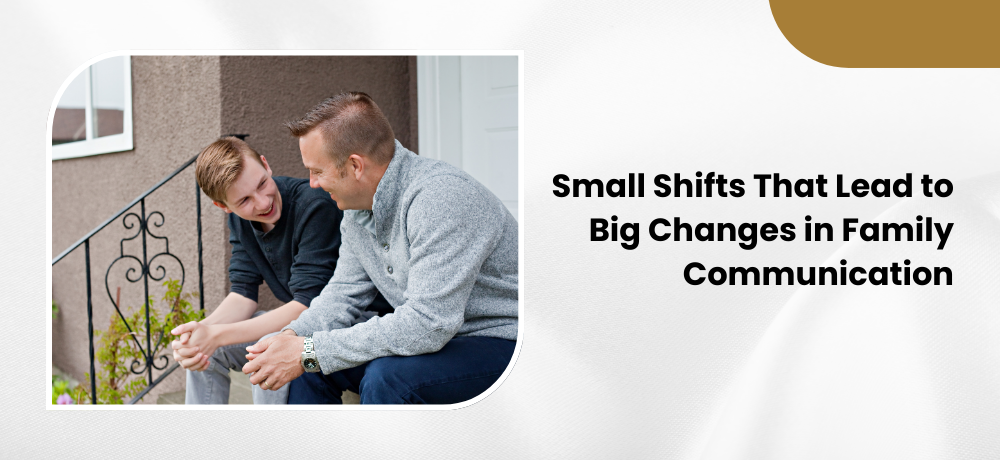
Maintaining open and effective communication within the family can be a challenge. As busy professionals juggling work and family life, you might find it difficult to create moments for meaningful conversations. Yet, these dialogues are crucial for nurturing relationships and ensuring a harmonious home environment. Subtle adjustments in how you approach family discussions can significantly enhance the quality of your interactions, leading to a more connected and supportive family unit. The Importance of Creating a Safe Space Creating a safe space for dialogue is essential in encouraging open communication. You want every family member to feel comfortable expressing their thoughts and emotions without fear of judgment or reprisal. This involves listening actively and empathetically, acknowledging each person's perspective, and fostering an environment where everyone feels valued and heard. By doing so, you pave the way for honest discussions that can address underlying issues and prevent misunderstandings. Active Listening: The Cornerstone of Effective Communication Active listening is a powerful tool in enhancing family dialogue. It involves fully concentrating, understanding, and responding to what is being said. Instead of preparing your response while the other person is speaking, focus on absorbing their words and emotions. This approach not only shows respect but also helps you gain a deeper understanding of their viewpoints. Encourage family members to practice active listening, making it a shared commitment to improve communication within your household. Setting Aside Quality Time In the hustle and bustle of daily life, it's easy to overlook the importance of setting aside dedicated time for family conversations. Scheduling regular family meetings or casual catch-ups can ensure that everyone has the opportunity to share their thoughts and feelings. These moments should be free from distractions, allowing you to focus entirely on each other. Whether it's during dinner or a weekend outing, prioritize these interactions to strengthen your family bonds. Encouraging Open-Ended Questions To foster deeper conversations, encourage the use of open-ended questions that invite more than just a yes or no response. Questions like "What was the best part of your day?" or "How do you feel about this situation?" can lead to more meaningful exchanges. This approach not only helps in understanding each other's perspectives but also encourages critical thinking and emotional expression among family members. Embracing Technology Mindfully While technology can often be a barrier to face-to-face communication, it can also be a valuable tool when used mindfully. For families with busy schedules, utilizing video calls or messaging apps can help maintain connection even when physically apart. However, it's important to set boundaries to ensure that technology enhances rather than detracts from your interactions. Encourage tech-free zones or times to promote more focused and meaningful conversations. Navigating Conflicts with Empathy Conflicts are inevitable in any family, but how you handle them can make all the difference. Approach disagreements with empathy, striving to understand the underlying emotions and needs of each party involved. Rather than focusing on winning an argument, aim to find a resolution that respects everyone's feelings and perspectives. This empathetic approach not only resolves conflicts more effectively but also strengthens the trust and respect within your family. Building a Culture of Appreciation Expressing gratitude and appreciation can significantly enhance family dialogue. Regularly acknowledging each other's efforts and contributions fosters a positive atmosphere and reinforces the value of open communication. Simple gestures like saying thank you or recognizing a family member's achievements can create a ripple effect, encouraging more positive interactions and a stronger sense of connection. Adapting to Changing Family Dynamics As families grow and evolve, so do their communication needs. Being adaptable and open to change is crucial in maintaining effective dialogue. Whether it's adjusting to a new family member, dealing with a teenager's growing independence, or managing life transitions, flexibility in your approach can help navigate these changes smoothly. Encourage open discussions about these shifts, allowing everyone to share their feelings and adapt together. Promoting Emotional Intelligence Enhancing family dialogue goes hand in hand with fostering emotional intelligence among family members. Encourage everyone to recognize and articulate their emotions, which can lead to more constructive conversations. By understanding and managing their emotions, family members can communicate more effectively and empathetically. This not only improves individual emotional health but also strengthens the overall family dynamic. Practicing Patience and Understanding Patience is a crucial component in family communication. With diverse personalities and perspectives, disagreements are bound to occur. Practicing patience allows you to give each other the time and space needed to express thoughts and feelings fully. Understanding that everyone processes emotions differently can help you approach conversations with a mindset geared towards resolution and mutual respect. Incorporating Humor and Light-heartedness Humor can be a powerful tool in diffusing tension and bringing family members closer together. Sharing laughter and light-hearted moments can ease the pressure of serious conversations and create a more relaxed atmosphere. Encourage spontaneous fun and playfulness during family interactions to foster a sense of joy and camaraderie. These moments can serve as a reminder that family life, while sometimes challenging, is also a source of happiness and support. Setting Boundaries and Respecting Privacy While open communication is vital, respecting each other's privacy and setting boundaries is equally important. Encourage family members to communicate their personal limits and respect them. This balance ensures that everyone feels secure and respected within the family unit. By establishing clear boundaries, you create a framework for healthy interactions that consider individual needs and preferences. Encouraging Collaborative Problem-Solving When faced with family challenges, approach them as a team. Encourage collaborative problem-solving by involving all family members in discussions about potential solutions. This collective approach not only fosters a sense of unity but also ensures that everyone feels invested in the outcome. By working together, you can tackle issues more effectively and strengthen your family's resilience. Maintaining Consistency in Communication Consistency is key to building trust and reliability in family communication. Regularly check in with each other, whether through scheduled meetings or spontaneous conversations. This consistent engagement reinforces the importance of open dialogue and demonstrates your commitment to maintaining strong family relationships. Over time, this practice can lead to deeper connections and a more cohesive family unit. Utilizing Resources for Support Don't hesitate to seek external resources if needed. Books, workshops, and online courses can offer valuable insights and strategies for improving family communication. Additionally, professional counseling services, such as those offered by Positive Therapy FL, can provide tailored support to address specific family dynamics. Accessing these resources can empower your family to navigate challenges more effectively and enhance overall communication. Reflecting on Family Interactions Encourage regular reflection on family interactions to identify areas for improvement. After significant conversations, take time to discuss what went well and what could be improved. This reflective practice encourages continuous growth and development, ensuring that your family communication evolves positively over time. By learning from past interactions, you can cultivate a more supportive and understanding family environment. Celebrating Achievements Together Celebrating achievements, both big and small, reinforces positive communication and strengthens family bonds. Acknowledge each other's successes and milestones, creating a culture of support and encouragement. These celebrations can take many forms, from a simple congratulatory message to a family gathering. By recognizing and honoring each other's accomplishments, you foster a sense of pride and unity within your family. Encouraging Family Traditions Family traditions play a significant role in building a sense of identity and belonging. These rituals, whether they are holiday celebrations, weekly movie nights, or annual family vacations, provide opportunities for bonding and creating lasting memories. Encourage the continuation or creation of family traditions that reflect your family's values and interests. These shared experiences can enhance communication by fostering a sense of unity and shared purpose. Emphasizing the Role of Empathy Empathy is a cornerstone of effective communication. By placing yourself in the shoes of your family members, you can better understand their emotions and perspectives. This empathetic approach can lead to more compassionate and supportive interactions. Encourage family members to practice empathy by actively listening and acknowledging each other's feelings. This practice not only improves communication but also strengthens emotional connections within the family. Fostering a Growth Mindset Adopting a growth mindset can enhance family dialogue by promoting openness to learning and change. Encourage family members to view challenges as opportunities for growth and to embrace feedback as a tool for improvement. This mindset fosters resilience and adaptability, allowing your family to navigate life's ups and downs more effectively. By supporting each other's personal and collective growth, you can create a dynamic and supportive family environment. Nurturing Individual Strengths Recognizing and nurturing each family member's unique strengths can enhance communication and collaboration. Encourage family members to identify and share their talents, skills, and interests. By celebrating these individual strengths, you can create a supportive environment where everyone feels valued and empowered. This recognition can lead to more meaningful contributions and a stronger sense of belonging within the family. Utilizing Positive Reinforcement Positive reinforcement can be a powerful motivator in encouraging desired behaviors and communication patterns. Acknowledge and reward efforts to communicate openly and effectively. This reinforcement can take many forms, from verbal praise to small rewards or incentives. By focusing on positive behaviors, you create a supportive atmosphere that encourages continued growth and improvement in family dialogue. Integrating Mindfulness Practices Mindfulness practices can enhance family communication by promoting presence and awareness. Encourage family members to engage in mindfulness activities, such as meditation or deep breathing exercises, to cultivate a sense of calm and focus. These practices can help reduce stress and improve emotional regulation, leading to more thoughtful and intentional interactions. By integrating mindfulness into your family routine, you can create a more harmonious and connected family dynamic. Exploring Creative Expression Creative expression can be a valuable outlet for communication and emotional expression. Encourage family members to explore creative activities, such as art, music, or writing, as a means of sharing their thoughts and feelings. These activities can provide alternative ways of communicating and can lead to deeper understanding and connection. By fostering a culture of creativity, you can enhance family dialogue and promote emotional well-being. Enhancing Communication Skills Investing in communication skills development can have a lasting impact on family dialogue. Encourage family members to engage in activities or workshops that focus on improving communication techniques, such as conflict resolution, active listening, and assertiveness. These skills can empower your family to navigate challenges more effectively and foster a more supportive and understanding environment. Encouraging Feedback and Reflection Feedback and reflection are essential components of continuous improvement in family communication. Encourage family members to provide constructive feedback on interactions and to reflect on their communication experiences. This practice can help identify areas for growth and reinforce positive behaviors. By fostering a culture of feedback and reflection, you can create a family environment that values learning and development. Supporting Well-being and Self-care Prioritizing well-being and self-care is crucial for maintaining effective communication within the family. Encourage family members to engage in activities that promote physical, emotional, and mental health. By supporting each other's well-being, you create a foundation for more positive and meaningful interactions. This focus on self-care can lead to improved emotional regulation and a more harmonious family dynamic. Empowering Family Members Empowerment is a key factor in enhancing family dialogue. Encourage family members to take ownership of their communication and to actively participate in family discussions. This empowerment can lead to more confident and engaged interactions. By fostering a sense of agency and responsibility, you can create a family environment that values collaboration and mutual respect. Building Resilience Through Challenges Resilience is an important quality that can enhance family communication. Encourage family members to view challenges as opportunities for growth and learning. By building resilience, your family can navigate difficulties more effectively and emerge stronger and more connected. This resilience can lead to more supportive and understanding interactions, fostering a more cohesive family dynamic. Connecting with Professional Support For families seeking additional support in enhancing communication, professional counseling services can be a valuable resource. At Positive Therapy FL , we specialize in providing accessible relationship support through advanced Telehealth technologies. Our experienced therapists use evidence-based techniques to help families improve communication, rebuild trust, and strengthen their emotional connections. If you are interested in learning more about how we can support your family's communication journey, please reach out to us at positive.therapy@outlook.com. We are here to help you build a stronger, more connected family.

As you navigate through the journey of life with your partner, you'll encounter a series of milestones that can significantly impact your relationship. These events, whether they are joyous or challenging, demand attention and understanding to ensure that your bond remains strong and resilient. From starting a family to career changes, each milestone presents unique challenges and opportunities for growth. By understanding these pivotal moments, you can better prepare to face them together. Communicating Through Change Effective communication is the cornerstone of any successful relationship, especially when facing life's milestones. As you and your partner grow and evolve, so too will your needs and expectations. It's crucial to maintain open lines of communication to discuss these changes and how they affect your relationship. Regular check-ins can help you both stay aligned and ensure that you're moving forward together, rather than drifting apart. Schedule regular times to talk about your relationship and any upcoming changes. Practice active listening to truly understand your partner's perspective. Be open and honest about your feelings and concerns. Navigating Career Transitions Career changes can significantly impact your relationship, affecting everything from financial stability to time spent together. Whether one of you is starting a new job, returning to school, or considering a career change, it's important to discuss how this will affect your shared life. Address any concerns about workload, financial implications, and how this transition will fit into your long-term goals as a couple. Discuss how career changes will affect your daily routines and responsibilities. Plan your finances together to accommodate potential changes in income. Support each other's professional growth while maintaining a healthy work-life balance. Embracing Parenthood Together For many couples, becoming parents is one of the most significant milestones. This transition requires a great deal of adjustment, from managing new responsibilities to redefining your roles as partners. It's essential to approach parenthood as a team, ensuring that both of you feel supported and involved in raising your child. Discuss parenting philosophies, division of labor, and how you will maintain your relationship amidst the demands of parenthood. Share parenting duties to avoid burnout and foster teamwork. Continue to nurture your relationship by scheduling regular date nights. Communicate openly about parenting challenges and solutions. Maintaining Relationship Health During Relocations Relocating, whether it's across town or to a new city, can be a stressful experience for couples. It often involves leaving behind familiar surroundings and support networks, which can strain your relationship. To mitigate these challenges, work together to create a new sense of home and community. Discuss how the move will affect your daily life and how you can support each other through the transition. Explore your new surroundings together to build a sense of belonging. Stay connected with friends and family to maintain your support network. Be patient with each other as you adjust to your new environment. Strengthening Your Bond Through Financial Planning Financial stability is a key factor in a healthy relationship, and life's milestones often come with financial implications. Whether you're buying a home, saving for retirement, or planning for your children's education, it's crucial to have a clear financial plan. Discussing your financial goals and creating a budget together can help prevent money-related conflicts and ensure that you're both on the same page. Set short-term and long-term financial goals as a couple. Create a budget that reflects your shared priorities and values. Regularly review your financial plan to adapt to any changes in your circumstances. By addressing these aspects of your relationship proactively, you can navigate life's milestones with confidence and strengthen your bond with your partner. Each milestone offers an opportunity for growth and deeper connection, allowing you to build a resilient and fulfilling partnership. Building Resilience Through Shared Experiences Every relationship is tested by life's challenges, but these moments can also be opportunities to build resilience together. Whether it's dealing with health issues, supporting each other's personal growth, or overcoming external pressures, facing these challenges as a team can strengthen your bond. By cultivating resilience, you and your partner can navigate adversity with confidence, knowing that you have each other's support. Develop coping strategies that work for both of you, such as stress management techniques or seeking professional guidance. Celebrate small victories and progress, reinforcing your ability to overcome obstacles together. Maintain a positive outlook and encourage each other to stay hopeful during tough times. Fostering Emotional Intimacy Emotional intimacy is the bedrock of a healthy relationship, providing a deep sense of connection and understanding between partners. As you experience life's milestones, it's essential to nurture this aspect of your relationship. By sharing your thoughts, feelings, and vulnerabilities, you can create a safe space for emotional growth and deepen your connection with your partner. Engage in meaningful conversations that explore your emotions and experiences. Practice empathy by validating your partner's feelings and perspectives. Be intentional about expressing love and appreciation for each other. Prioritizing Quality Time Together In today's fast-paced world, finding time for each other can be challenging, especially when juggling multiple responsibilities. However, prioritizing quality time is crucial for maintaining a strong relationship. Whether it's a regular date night or a weekend getaway, setting aside time to connect with your partner can help keep the romance alive and reinforce your commitment to each other. Plan activities that you both enjoy and that allow for meaningful interaction. Disconnect from technology during your time together to focus on each other. Make it a habit to regularly schedule time for each other, even amidst busy schedules. Supporting Each Other's Personal Growth As individuals, you and your partner will continue to grow and evolve throughout your lives. Supporting each other's personal development is vital for a healthy relationship, as it fosters mutual respect and admiration. Encourage each other's pursuits, whether they're related to career, education, or personal interests, and celebrate the achievements along the way. Discuss your personal goals and aspirations with each other. Offer encouragement and support as your partner pursues their passions. Recognize and celebrate each other's successes, both big and small. Creating a Shared Vision for the Future Having a shared vision for the future is essential for a fulfilling partnership. It provides direction and purpose, ensuring that both partners are working towards common goals. By discussing your dreams and aspirations, you can align your efforts and make decisions that support your shared vision. This collaborative approach fosters a sense of unity and commitment, reinforcing your bond as you journey through life together. Set long-term goals that reflect your shared values and priorities. Regularly revisit and adjust your plans as needed to accommodate changes in your circumstances. Stay flexible and open to new possibilities as you work towards your future together. Adapting to Health and Wellness Changes Health and wellness are integral aspects of a fulfilling life and can significantly impact your relationship. Whether dealing with a sudden illness, embarking on a fitness journey, or managing mental health, these changes require mutual support and understanding. By prioritizing health and wellness, you and your partner can navigate these challenges together and maintain a strong, supportive relationship. Encourage each other to pursue healthy lifestyle choices, such as exercise and balanced nutrition. Communicate openly about health concerns and how they affect your relationship. Seek professional help when necessary to address health issues comprehensively. Celebrating Milestones Together Life's milestones, both big and small, are opportunities to celebrate your journey as a couple. Whether it's an anniversary, a new job, or a personal achievement, taking the time to acknowledge and celebrate these moments can strengthen your bond. Celebrations don't have to be extravagant; even simple gestures can create lasting memories and reinforce your connection. Plan special activities or surprises to mark significant milestones. Reflect on your journey together and express gratitude for each other. Capture memories through photos or keepsakes to cherish these moments. Addressing Relationship Challenges Proactively Every relationship faces challenges, but addressing them proactively can prevent issues from escalating. Whether it's a communication breakdown, differing priorities, or external pressures, tackling these challenges head-on can lead to growth and deeper understanding. By working together to find solutions, you can strengthen your relationship and build a solid foundation for the future. Identify potential challenges early and discuss them openly with your partner. Approach conflicts with empathy and a willingness to compromise. Consider seeking professional guidance to navigate complex issues effectively. Leveraging Professional Support for Relationship Growth Professional support, such as relationship counseling, can be a valuable resource for couples looking to enhance their connection and address challenges. With the rise of Telehealth services, accessing expert guidance has never been easier. Engaging with a therapist can provide you with tools and strategies to improve communication, resolve conflicts, and strengthen your emotional bond. Explore Telehealth options for convenient and accessible counseling services. Choose a therapist who aligns with your values and relationship goals. Commit to the process and actively participate in therapy sessions. At Positive Therapy FL , we understand the unique challenges that couples face throughout life's milestones. Our specialized relationship counseling services , delivered through advanced Telehealth technologies, provide the support you need to navigate these moments with confidence. Whether you're dealing with career changes, parenthood, or health issues, our experienced therapists are here to help you strengthen your bond and build a healthier, happier relationship. If you're ready to take the next step in your relationship journey, we invite you to reach out to us at Positive Therapy FL. Contact us at positive.therapy@outlook.com to learn more about how we can support you and your partner in achieving your relationship goals. Let's work together to create a stronger future for you and your loved one.

Professional success often requires immense dedication and an unwavering focus on your daily objectives. You invest significant energy into building your career and managing complex projects. This relentless drive naturally yields impressive career milestones and financial stability. However, this same professional intensity frequently overshadows your personal life and creates unintended consequences at home. High-achieving individuals routinely allow their professional obligations to dictate their daily routines. Your marriage requires the exact same level of strategic planning that you apply to your business operations. Without a deliberate approach to daily routines, professional couples often find themselves drifting apart. The intersection of a demanding career and a committed partnership creates unique friction points that require immediate attention. You might assume that simply living in the same house equates to spending adequate time together. This assumption represents a significant vulnerability in your partnership. True connection requires intentionality and dedicated focus away from digital distractions. When you fail to allocate specific blocks of time for your partner, your relationship naturally degrades. The resulting distance often leads to profound dissatisfaction and unnecessary conflict. Effective time management for couples serves as a necessary framework to protect your partnership from the endless demands of your career. Identifying the structural flaws in your daily routine is the first step toward relationship preservation. Many professionals make systematic errors in how they allocate their limited free time. These scheduling errors slowly erode the foundation of a healthy marriage over months and years. You must recognize these hidden mistakes before they cause permanent damage to your emotional connection. Implementing proper marriage scheduling tips allows you to reclaim control over your personal life. You can build a sustainable routine that supports both your career ambitions and your commitment to your partner. Treating Personal Time as a Flexible Buffer Your professional calendar likely features strict boundaries and non-negotiable meetings. You respect your business commitments and rarely cancel on important clients or stakeholders. Unfortunately, you probably do not apply this same rigor to your personal schedule. Many professionals treat their home life as a flexible buffer zone meant to absorb workplace overflow. You might routinely push back dinners or cancel weekend plans to accommodate a sudden work crisis. This habit sends a clear message to your partner that their time holds less value than your professional obligations. Allowing work to constantly bleed into your evening hours creates structural resentment in a marriage. Your partner begins to feel like an afterthought rather than a priority. When you consistently prioritize urgent emails over scheduled personal time, you break subtle commitments. These small breaches of trust accumulate rapidly and create significant emotional barriers. The resulting emotional distance becomes increasingly difficult to bridge as time goes on. You must establish strict boundaries to protect your scheduled time at home. Effective time management for couples requires you to treat personal appointments with professional respect. You should block out specific hours for your relationship just as you would for an important board meeting. When a work conflict arises during these protected windows, you must practice saying no or delegating the task. Protecting your personal time demonstrates a tangible commitment to your partner. This structural shift in your scheduling behavior immediately reduces relationship anxiety and builds trust. Implementing this change requires clear communication with your professional team. You need to establish predictable hours of availability and stick to them strictly. By setting these expectations at work, you create a safe container for your personal life. Your partner needs to know they can rely on your presence during designated times. Consistency in your availability forms the bedrock of a secure and deeply connected partnership. Prioritizing Household Logistics Over Emotional Engagement Managing a household alongside two demanding careers requires significant administrative effort. You and your partner likely spend a large portion of your time discussing chores, maintenance, and financial obligations. You might also spend hours coordinating activities for your children or planning family events. These conversations are necessary for a smoothly operating home environment. However, focusing exclusively on logistics represents a massive vulnerability for your relationship. You cannot build a deep emotional connection while merely functioning as co-managers of a household. Many couples mistake this logistical coordination for actual quality time. You might sit together on the couch for two hours, but if you only discuss mortgage payments and grocery lists, you are not connecting. This administrative focus drains the emotional energy from your partnership. You begin to view your partner as a business associate rather than a romantic interest. Effective relationship counseling strategies often focus heavily on separating household management from true connection time. To repair this imbalance, you must compartmentalize your logistical discussions immediately. You should schedule a specific weekly meeting dedicated entirely to household administration. During this designated block, you can review finances, coordinate schedules, and delegate chores. Once this meeting concludes, you must intentionally pivot away from administrative topics. This compartmentalization frees up the rest of your week for genuine emotional engagement and intimacy. Protecting your non-administrative time allows you to focus on your partner's internal world. You can ask meaningful questions about their aspirations, fears, and daily emotional state. You create space for laughter, shared interests, and physical affection. By aggressively managing your logistical conversations, you actively preserve the romantic foundation of your marriage. This deliberate separation of duties and romance is a cornerstone of sustainable relationship success. Operating on Completely Disconnected Schedules Modern professionals often manage incredibly complex daily itineraries filled with varying obligations. You likely use advanced digital tools to track your meetings, travel, and project deadlines. Yet, many professional couples fail to share this scheduling data with each other. Operating on disconnected calendars guarantees constant friction and miscommunication in your home. When you do not know your partner's daily commitments, you cannot anticipate their stress levels or availability. This lack of visibility creates unnecessary surprises and frequent disappointments. A disconnected scheduling approach often leads to conflicting commitments and double-booked evenings. You might invite guests over on the exact evening your partner needs to prepare for a major presentation. These avoidable conflicts generate immediate stress and defensiveness from both sides. Your partner feels unsupported, and you feel frustrated by their lack of participation. Syncing your calendars is one of the most practical marriage scheduling tips you can implement today. Transparency in your daily routines eliminates the guesswork from your partnership. You should establish a shared digital calendar system that tracks both professional and personal obligations. This shared visibility allows you to support each other proactively rather than reactively. If you see your partner has a particularly demanding Tuesday, you can plan to handle dinner that evening. This level of anticipation demonstrates deep care and active partnership. It shifts your dynamic from constant problem-solving to proactive mutual support. Additionally, a unified calendar system helps you identify overlapping pockets of free time. You can spot a shared free hour on a Thursday afternoon and spontaneously schedule a lunch date. Finding these hidden opportunities for connection is impossible when your schedules remain siloed. By integrating your daily itineraries, you build a unified approach to your shared life. This structural alignment significantly reduces daily friction and enhances mutual understanding. Relegating Quality Time to the Exhausted End of the Week The standard professional routine places a heavy burden on Monday through Friday. You expend your peak physical and mental energy navigating workplace challenges and managing personnel. By the time Friday evening arrives, your energy reserves are completely depleted. Many couples make the mistake of scheduling their primary connection time during this window of maximum exhaustion. A Friday night date often devolves into two tired people staring blankly at a restaurant table. Relying on the end of the week for your emotional connection is a highly flawed strategy. You are essentially offering your partner the leftover scraps of your energy. This dynamic prevents deep conversation and active emotional engagement. You cannot build a thriving relationship when both individuals are operating on an empty tank. Advanced time management for couples requires you to strategically align your connection time with your peak energy windows. You must stop defaulting to Friday nights simply because it is the cultural norm. Consider shifting your dedicated quality time to a completely different part of the week. A Saturday morning coffee date often yields much better conversation than a Friday night dinner. You might also explore mid-week morning walks before the workday officially begins. During these earlier windows, your mind is sharp and your stress levels are relatively low. You can engage with your partner fully and attentively without the weight of the work week pressing down on you. Optimizing your schedule for energy rather than convenience requires intentional planning and discipline. You must evaluate your natural rhythms and identify when you feel most present. Scheduling your connection time during these peak hours demonstrates that you value the quality of your interactions. Your partner deserves your best energy, not just whatever remains after a grueling professional schedule. Making this adjustment dramatically improves the depth and quality of your conversations. Failing to Schedule Regular Relationship Reviews Successful businesses rely on regular performance reviews and strategic planning sessions to maintain growth. You would never run a company without periodically assessing your progress and addressing ongoing operational issues. However, you probably do not apply this same strategic review process to your marriage. Most couples only discuss the state of their relationship during heated arguments or moments of crisis. Waiting for a breaking point to evaluate your partnership guarantees a high-stress, defensive environment. You need a proactive, structured mechanism for discussing relationship health. Establishing a scheduled, recurring relationship check-in is one of the most effective relationship counseling strategies available to professional couples. This dedicated time allows you to discuss what is working well and what needs immediate adjustment. You can address minor annoyances before they metastasize into major resentments. A calm, scheduled environment fosters productive dialogue and deep mutual understanding. During these structured reviews, you should focus on active listening and highly constructive feedback. You can ask your partner if they feel supported in their current professional and personal endeavors. You can also express your own needs clearly without the emotional charge of an ongoing argument. This predictable cadence of communication builds immense trust over time. Your partner knows they will always have a dedicated forum to express their feelings safely. Implementing this practice requires discipline and a strong commitment to vulnerability. You must treat this scheduled review with the utmost importance and respect. Do not cancel or delay these sessions due to minor inconveniences or scheduling conflicts. Consistency proves that you are actively invested in the continuous improvement of your marriage. By institutionalizing this review process, you create a resilient partnership capable of weathering any professional storm. Protecting your marriage from the demands of a high-pressure career requires immediate and sustained action. You cannot rely on spontaneous moments to maintain a deep emotional connection with your partner. The structural mistakes in your daily routine will continue to generate distance and resentment unless you actively correct them. By implementing rigid boundaries, syncing your schedules, and prioritizing peak energy windows, you can rebuild a resilient foundation. Your relationship demands the exact same strategic oversight and intentional planning that drives your professional success. Navigating these structural changes often requires objective guidance and professional support. You do not have to optimize your relationship dynamics entirely on your own. Expert telehealth counseling offers a flexible, confidential environment to refine your approach and resolve underlying friction points. Take decisive action today to protect the future of your partnership. Reach out directly to positive.therapy@outlook.com to schedule a personalized evaluation and begin aligning your schedule with your relationship goals.
Whether you're newlyweds or have been together for years, money matters can test the strength of your relationship. Understanding how finances can impact your partnership is crucial, especially if you are a busy professional in Fort Lauderdale, FL, juggling work-life balance and family commitments. For couples prioritizing mental health and relationship stability, navigating these challenges requires open communication and proactive strategies. By addressing financial issues head-on, you can prevent misunderstandings and build a stronger, more resilient partnership. Common Financial Challenges Couples Face Couples often encounter several financial challenges that can strain their relationship. These include differing spending habits, income disparities, and disagreements over financial priorities. For those in the middle to upper-middle-class bracket, these issues can be more pronounced as the stakes are higher with more significant assets and responsibilities. Spending Habits: One partner may be a spender while the other is a saver. This difference can lead to conflicts if not addressed with mutual respect and understanding. Income Disparities: When one partner earns significantly more than the other, it can create a power imbalance, leading to feelings of inadequacy or resentment. Financial Goals: Disagreements about saving for retirement, purchasing a home, or investing in education can cause tension if not aligned properly. Expert Tips for Managing Finances Together To navigate these financial hurdles, it's essential to adopt expert-backed strategies that promote harmony and understanding within your relationship. Here are some practical tips to consider: Open Communication: E stablishing a regular dialogue about finances helps ensure both partners are on the same page. Discuss your financial goals, concerns, and expectations openly to avoid misunderstandings. Create a Joint Budget: Developing a comprehensive budget together can help manage expenses and allocate funds for shared goals. This approach fosters teamwork and accountability. Set Financial Boundaries: Agree on spending limits for discretionary expenses to prevent overspending and ensure both partners feel comfortable with financial decisions. Plan for the Future: Regularly review your financial goals and adjust them as needed. This includes saving for emergencies, retirement, and major life events. Leveraging Technology for Financial Harmony Incorporating technology into your financial planning can streamline processes and reduce stress. Just as you might utilize Telehealth services for relationship counseling, consider using financial apps and tools to manage your finances efficiently. These resources can help you track spending, set savings goals, and even invest wisely, all from the comfort of your home. By utilizing technology, you can make informed financial decisions together, ensuring that both partners have access to the same information and can participate equally in financial planning. Seeking Professional Guidance Sometimes, navigating financial challenges requires the insight of a professional. Just as you might turn to a therapist for relationship issues, a financial advisor can provide valuable guidance tailored to your unique situation. They can help you understand complex financial matters, develop a strategic financial plan, and offer unbiased advice to help you achieve your goals. Working with a financial professional can also alleviate stress and provide a neutral perspective, helping you and your partner focus on building a strong financial foundation. Building Financial Trust and Transparency Trust and transparency are fundamental to any successful relationship, especially when it comes to finances. Establishing trust involves being honest about your financial situation, including debts, assets, and spending habits. This openness fosters a supportive environment where both partners feel secure in their financial partnership. Transparency also means regularly updating each other on financial changes, such as income fluctuations, unexpected expenses, or investment opportunities. By maintaining an open line of communication, you can avoid surprises and work together to address any financial challenges that arise. Balancing Individual and Joint Finances Finding the right balance between individual and joint finances is crucial for maintaining harmony in your relationship. While some couples prefer to combine all their finances, others opt for a hybrid approach, maintaining separate accounts alongside a joint account for shared expenses. This balance allows each partner to maintain a sense of autonomy while still contributing to shared financial goals. It's important to discuss and agree on the approach that works best for your relationship, ensuring that both partners feel comfortable and respected. Embracing Financial Education Together Enhancing your financial literacy as a couple can significantly strengthen your relationship. By understanding key financial concepts, you both become empowered to make informed decisions that align with your shared goals. Consider enrolling in financial workshops or online courses together. These resources can offer valuable insights into budgeting, investing, and debt management, equipping you with the knowledge to face financial challenges confidently. Additionally, reading financial books or listening to podcasts can be a great way to learn and discuss new ideas. Sharing this learning journey not only improves your financial acumen but also fosters a deeper connection as you grow together. Addressing Debt as a Team Debt can be a significant source of stress in relationships, but addressing it as a team can alleviate the burden. Start by laying all your debts on the table — from credit cards to student loans — and discuss each other's comfort levels and concerns. Develop a debt repayment plan that prioritizes high-interest debts and sets realistic goals for becoming debt-free. Consider exploring different repayment strategies, such as the snowball or avalanche methods, to find what works best for you. By tackling debt together, you reinforce your partnership and demonstrate a commitment to a financially stable future. Celebrating Financial Milestones Recognizing and celebrating financial achievements, no matter how small, can boost morale and motivation. Whether it's paying off a credit card, reaching a savings goal, or sticking to a budget for several months, acknowledging these milestones reinforces positive financial behavior. Celebrate these successes in ways that are meaningful to both of you, perhaps with a special dinner or a small gift. These celebrations serve as reminders of your shared journey and the progress you've made together. Managing Financial Stress Financial stress is a reality for many couples, but learning to manage it effectively can prevent it from taking a toll on your relationship. Practice stress-reducing techniques such as mindfulness, meditation, or exercise, which can help maintain emotional balance during challenging times. It's also important to recognize when financial stress is affecting your relationship and seek support if needed. Engaging in relationship counseling or financial therapy can provide a safe space to explore these issues and develop strategies to cope with stress constructively. Aligning Values and Financial Goals Aligning your financial goals with your values is crucial for long-term satisfaction and harmony. Spend time discussing what matters most to each of you, whether it's travel, homeownership, education, or philanthropy. By understanding each other's values, you can set financial goals that reflect your shared priorities and aspirations. This alignment ensures that your financial decisions support your desired lifestyle and contribute to a fulfilling partnership. Regularly revisiting these values and goals can keep you both on track and motivated. Building a Financial Safety Net Creating a financial safety net is essential for protecting your relationship from unexpected challenges. Start by building an emergency fund that covers three to six months of living expenses. This fund provides peace of mind and financial security in case of unforeseen events such as job loss or medical emergencies. Additionally, consider insurance policies that protect against significant risks, such as health, life, and disability insurance. Having these safeguards in place ensures that you and your partner can weather life's uncertainties with confidence. Encouraging Financial Independence While shared financial goals are important, maintaining a degree of financial independence can enhance your relationship. Encourage each other to pursue personal financial interests, whether it's starting a side business, investing independently, or saving for personal aspirations. This independence fosters a sense of autonomy and self-worth, contributing to a balanced and healthy relationship. It also allows each partner to bring unique perspectives and strengths to the table, enriching your financial journey together. Nurturing a Supportive Financial Environment Creating a supportive environment where both partners feel comfortable discussing finances is key to a successful relationship. Encourage open dialogue and active listening, ensuring that each partner feels heard and respected. Avoid blame or criticism, and focus on finding solutions together. By fostering a positive and supportive atmosphere, you build a strong foundation for navigating financial challenges and achieving your shared goals. This approach not only strengthens your financial partnership but also enhances your overall relationship. Fostering Financial Resilience Building financial resilience is about preparing your relationship to withstand economic fluctuations and unexpected life events. This involves cultivating a mindset that embraces adaptability and resourcefulness. Encourage each other to stay informed about economic trends and potential impacts on your finances. This proactive approach enables you to make timely adjustments and seize opportunities that align with your long-term goals. Consider setting aside regular time to review your financial status and discuss potential adjustments. This habit not only keeps you aligned with your goals but also reinforces a shared commitment to financial resilience. Emphasizing the Importance of Financial Health Financial health is a cornerstone of a stable relationship, influencing both emotional and physical well-being. Prioritizing financial health means regularly evaluating your spending, saving, and investing habits to ensure they support your lifestyle and future aspirations. It also involves being mindful of how financial stress can affect your mental health and taking steps to mitigate its impact. By treating financial health as an integral part of your overall wellness, you can create a balanced and fulfilling life together. This holistic approach encourages you to view financial decisions as part of a broader strategy for happiness and success. Encouraging Continuous Financial Dialogue Maintaining an ongoing dialogue about finances is crucial for preventing misunderstandings and fostering trust. Encourage a culture of openness where both partners feel comfortable discussing financial concerns and aspirations. Regular check-ins provide an opportunity to address any issues before they escalate and to celebrate achievements that reinforce your commitment to shared goals. These conversations can be structured or informal, depending on what works best for you. The key is to ensure that financial discussions are a regular and natural part of your relationship, promoting transparency and collaboration. Exploring Financial Growth Opportunities Exploring opportunities for financial growth can enhance your relationship by providing a sense of shared purpose and ambition. This might involve pursuing additional income streams, such as side businesses or investments, that align with your skills and interests. It could also mean seeking professional development opportunities that enhance your earning potential. By actively seeking growth opportunities, you not only improve your financial situation but also strengthen your partnership by working towards common goals. This shared journey fosters a deeper connection and a sense of accomplishment as you achieve milestones together. Reinforcing Your Relationship Through Financial Success Financial success can be a powerful reinforcement of your relationship, providing the stability and resources to pursue your shared dreams. Whether it's traveling, starting a family, or supporting a cause you care about, financial success opens doors to experiences that enrich your life together. Celebrate these successes and use them as a foundation for future planning. By recognizing the role financial stability plays in your happiness, you can continue to prioritize and nurture this aspect of your relationship. Supporting Your Journey with Professional Guidance At Positive Therapy FL , we understand the unique financial challenges couples face, especially those in Fort Lauderdale, FL, who prioritize mental health and relationship stability. Our telehealth services are designed to support your journey by providing expert guidance and tools to navigate financial challenges together. Our approach emphasizes confidentiality and convenience, allowing you to access support from the comfort of your home. With our experienced therapists, you can work through financial stressors and strengthen your relationship, ensuring a harmonious and prosperous future. If you're ready to explore how Positive Therapy FL can support your relationship, reach out to us at positive.therapy@outlook.com for more information. Let's build a stronger future together, one that embraces financial harmony and relationship growth.

Building emotional closeness in a long-term relationship can be challenging. Busy schedules, professional demands, and personal responsibilities often make it difficult for couples to maintain the emotional intimacy essential for a thriving partnership. However, with intentional effort and effective strategies, couples can nurture a deep emotional connection that stands the test of time. Understanding Emotional Closeness Emotional closeness is the sense of intimacy and connection that partners feel towards each other. It involves open communication, mutual respect, and a willingness to understand and support each other's emotional needs. In a healthy relationship, emotional closeness fosters trust and security, allowing partners to feel valued and understood. The Importance of Emotional Closeness in Relationships Emotional closeness is the cornerstone of a successful long-term relationship. It enhances communication, reduces conflicts, and strengthens the bond between partners. When couples feel emotionally connected, they are more likely to navigate challenges together and support each other's personal growth. This connection provides a safe space for vulnerability, fostering a deeper understanding and appreciation of each other. Strategies for Building Emotional Closeness Building emotional closeness requires conscious effort and dedication. Here are some effective strategies to help couples nurture their emotional connection: 1. Prioritize Quality Time Spending quality time together is essential for cultivating emotional closeness. Set aside regular time for activities that both partners enjoy, whether it's a weekly date night, a shared hobby, or simply unwinding together at the end of the day. Consistent quality time allows couples to reconnect and strengthen their bond. 2. Practice Active Listening Active listening is a powerful tool for enhancing emotional intimacy. It involves giving your full attention to your partner, acknowledging their feelings, and responding thoughtfully. By practicing active listening, couples can foster a deeper understanding and empathy, which are crucial for emotional closeness. 3. Express Appreciation and Gratitude Regularly expressing appreciation and gratitude can significantly enhance emotional closeness. Acknowledging your partner's efforts and expressing gratitude for their presence in your life reinforces positive feelings and strengthens the emotional bond. Simple gestures like saying "thank you" or leaving a heartfelt note can make a big difference. 4. Be Open and Vulnerable Vulnerability is a key component of emotional closeness. Sharing your thoughts, feelings, and fears with your partner creates a sense of intimacy and trust. By being open and vulnerable, couples can deepen their emotional connection and foster a supportive and understanding relationship. Overcoming Barriers to Emotional Closeness Despite the best intentions, couples may encounter barriers to emotional closeness. Common obstacles include stress, communication issues, and unresolved conflicts. Addressing these barriers requires patience, understanding, and a willingness to work together towards a solution. Effective Communication Communication is the foundation of emotional closeness. Couples should strive to communicate openly and honestly, addressing issues as they arise. Effective communication involves active listening, empathy, and a non-judgmental approach. By fostering a safe environment for open dialogue, couples can overcome communication barriers and strengthen their emotional connection. Managing Stress and External Pressures External pressures, such as work stress or family obligations, can strain a relationship and hinder emotional closeness. It's important for couples to recognize these stressors and work together to manage them. This may involve setting boundaries, prioritizing self-care, and supporting each other through challenging times. Stay tuned for more insights and strategies to cultivate emotional closeness in your relationship. At Positive Therapy FL, we specialize in providing tailored relationship counseling through advanced Telehealth technologies. Our services are designed to help couples in Fort Lauderdale, FL, build emotional closeness and achieve long-term relationship success. For more information, contact us at positive.therapy@outlook.com. Addressing Unresolved Conflicts Unresolved conflicts can create emotional distance between partners. It's crucial for couples to address issues promptly and constructively. This involves acknowledging each other's perspectives, finding common ground, and working collaboratively towards a resolution. Seeking professional guidance, such as relationship counseling, can also be beneficial in navigating complex issues and rebuilding emotional closeness. Building Trust and Security Trust and security are fundamental to emotional closeness. Couples should strive to build a strong foundation of trust by being reliable, honest, and supportive. This includes keeping promises, respecting boundaries, and demonstrating commitment to the relationship. When partners feel secure, they are more likely to open up emotionally and foster a deeper connection. Embracing Change and Growth Relationships evolve over time, and embracing change is essential for maintaining emotional closeness. Couples should be open to personal growth and adapt to changes in their lives together. This may involve supporting each other's career aspirations, adjusting to new family dynamics, or exploring new interests. By embracing change, couples can strengthen their bond and continue to grow together. Fostering Emotional Closeness Through Shared Goals Shared goals can significantly contribute to emotional closeness in a relationship. Couples who work together towards common objectives, whether personal, financial, or related to family, often experience a stronger bond. Setting and achieving goals together fosters teamwork and mutual support, reinforcing the partnership. Regularly discussing and revisiting these goals ensures alignment and encourages collaborative problem-solving, further enhancing emotional intimacy. Utilizing Technology to Stay Connected In today's digital age, technology can be a valuable tool for maintaining emotional closeness, especially for couples with busy schedules or those in long-distance relationships. Utilizing video calls, messaging apps, and shared calendars can help partners stay connected and engaged in each other's lives. Technology also offers opportunities for virtual date nights or shared experiences, such as watching movies together online, which can help bridge the physical distance and strengthen the emotional bond. Engaging in Relationship Enrichment Activities Participating in relationship enrichment activities, such as workshops, retreats, or counseling sessions, can provide couples with valuable insights and tools to enhance their emotional closeness. These activities offer a structured environment for exploring relationship dynamics, improving communication skills, and addressing potential challenges. By investing in their relationship through enrichment activities, couples can foster a deeper understanding and appreciation of each other, leading to a more fulfilling partnership. For couples in Fort Lauderdale, FL, Positive Therapy FL offers a unique approach to relationship enhancement through advanced Telehealth technologies. Our tailored counseling services are designed to meet the specific needs of busy professionals and families, ensuring accessibility and flexibility. By focusing on emotional closeness, communication, and trust, we empower couples to achieve long-term success and happiness in their relationships. To explore how Positive Therapy FL can support your relationship journey, please reach out to us at positive.therapy@outlook.com. Our team is dedicated to helping you cultivate the emotional closeness necessary for a thriving partnership.

Maintaining a healthy relationship has become increasingly challenging. With the demands of daily life, couples often struggle to balance their personal and professional commitments. In the midst of these challenges, mental health plays a crucial role in the overall health of relationships. Recognizing the importance of mental health is vital for couples who aim to build a lasting bond. The Interconnection Between Mental Health and Relationships Healthy relationships are built on a foundation of trust, communication, and mutual respect. However, when mental health issues arise, these foundational elements can be compromised. Mental health directly influences how individuals perceive, interact, and respond to their partners. For instance, anxiety or depression can lead to misunderstandings, reduced emotional availability, and increased conflict. Research consistently shows that individuals with good mental health are more likely to engage in positive relationship behaviors. They tend to communicate more effectively, exhibit empathy, and resolve conflicts constructively. Conversely, untreated mental health issues can lead to emotional withdrawal, miscommunication, and persistent conflicts, ultimately weakening the relationship. Recognizing the Signs of Mental Health Struggles in Relationships Identifying the signs of mental health struggles within a relationship is crucial for timely intervention. Some common indicators include: Increased Irritability: Frequent arguments or tension over minor issues may signal underlying stress or anxiety. Emotional Distance: A partner may seem withdrawn or disinterested, indicating possible depression or emotional distress. Changes in Communication: A noticeable shift in communication patterns, such as reduced conversation or avoidance of certain topics, can be a red flag. Physical Symptoms: Stress and mental health issues often manifest physically, leading to fatigue, headaches, or changes in appetite. By recognizing these signs early, couples can seek appropriate help and support to address the root causes of their issues. Strategies for Strengthening Relationships through Mental Health Improving mental health is a powerful way to enhance relationship dynamics. Here are some strategies couples can adopt: Open Communication: Encourage honest and open communication about feelings and mental health concerns. This fosters understanding and empathy between partners. Seek Professional Help: Engaging in relationship counseling or individual therapy can provide valuable insights and coping mechanisms for mental health challenges. Practice Mindfulness: Mindfulness exercises, such as meditation or yoga, can help individuals manage stress and improve emotional regulation. Prioritize Self-Care: Encourage each partner to engage in self-care activities that promote mental well-being, such as exercise, hobbies, or relaxation techniques. Implementing these strategies can significantly improve the emotional connection between partners, leading to a more resilient and fulfilling relationship. The Impact of Telehealth on Relationship Counseling Telehealth has revolutionized the way couples access mental health services, providing a convenient and effective platform for relationship counseling. The flexibility of remote sessions allows couples to engage in therapy without the constraints of travel or rigid scheduling. This accessibility is particularly beneficial for busy professionals who may find it difficult to attend in-person sessions. Telehealth also offers a level of privacy and comfort that traditional settings may lack. Couples can participate in sessions from their own homes, creating a familiar and safe environment that encourages openness and honesty. This setting can be conducive to more productive and meaningful therapy experiences. Moreover, the use of advanced Telehealth technologies supports frequent and consistent sessions, which can be crucial in times of crisis or when ongoing support is needed. This continuity ensures that couples receive timely intervention and guidance, helping to maintain the momentum of their therapeutic progress. Common Challenges in Relationships and How Mental Health Support Can Help Every relationship encounters challenges, but with the right mental health support, couples can navigate these obstacles more effectively. Some common relationship challenges include: Communication Breakdown: Misunderstandings and lack of communication can create distance between partners. Therapy can help improve communication skills and foster a deeper understanding. Trust Issues: Past betrayals or insecurities can lead to trust issues. Counseling provides a space to rebuild trust and strengthen the emotional bond. Financial Stress: Money-related conflicts are a frequent source of tension. Mental health support can assist couples in developing healthy financial communication and coping strategies. Intimacy Concerns: Changes in physical or emotional intimacy can affect relationship satisfaction. Therapy can address these concerns and help couples reconnect. By addressing these challenges with the help of mental health professionals, couples can develop effective strategies to overcome obstacles and enhance their relationship satisfaction. In addition to addressing specific relationship challenges, mental health support can also enhance overall relationship satisfaction by fostering personal growth and development. As individuals work through their mental health issues, they often gain a deeper understanding of themselves and their needs, which can lead to more authentic and fulfilling connections with their partners. How Positive Therapy FL Supports Couples in Fort Lauderdale At Positive Therapy FL , we understand the unique challenges that couples face in maintaining a healthy relationship. Our specialized telehealth services are designed to provide accessible and effective relationship counseling for couples in Fort Lauderdale, FL. By focusing on mental health as a cornerstone of relationship strength, we help couples build stronger emotional connections and navigate the complexities of modern life. Our experienced therapists use a variety of evidence-based techniques to address issues such as communication breakdowns, trust issues, and intimacy concerns. Through our advanced telehealth platform, couples can participate in therapy sessions from the comfort of their own homes, ensuring a safe and private environment for open and honest communication. Moreover, the flexibility of our telehealth services allows for frequent and consistent sessions, providing timely support when it is needed most. Whether couples are dealing with a specific crisis or seeking ongoing guidance, Positive Therapy FL is committed to helping them achieve happier and healthier relationships. If you and your partner are ready to take the next step in strengthening your relationship, we invite you to reach out to us at positive.therapy@outlook.com for more information or to schedule a consultation. Our team is here to support you on your journey towards a fulfilling and lasting partnership.